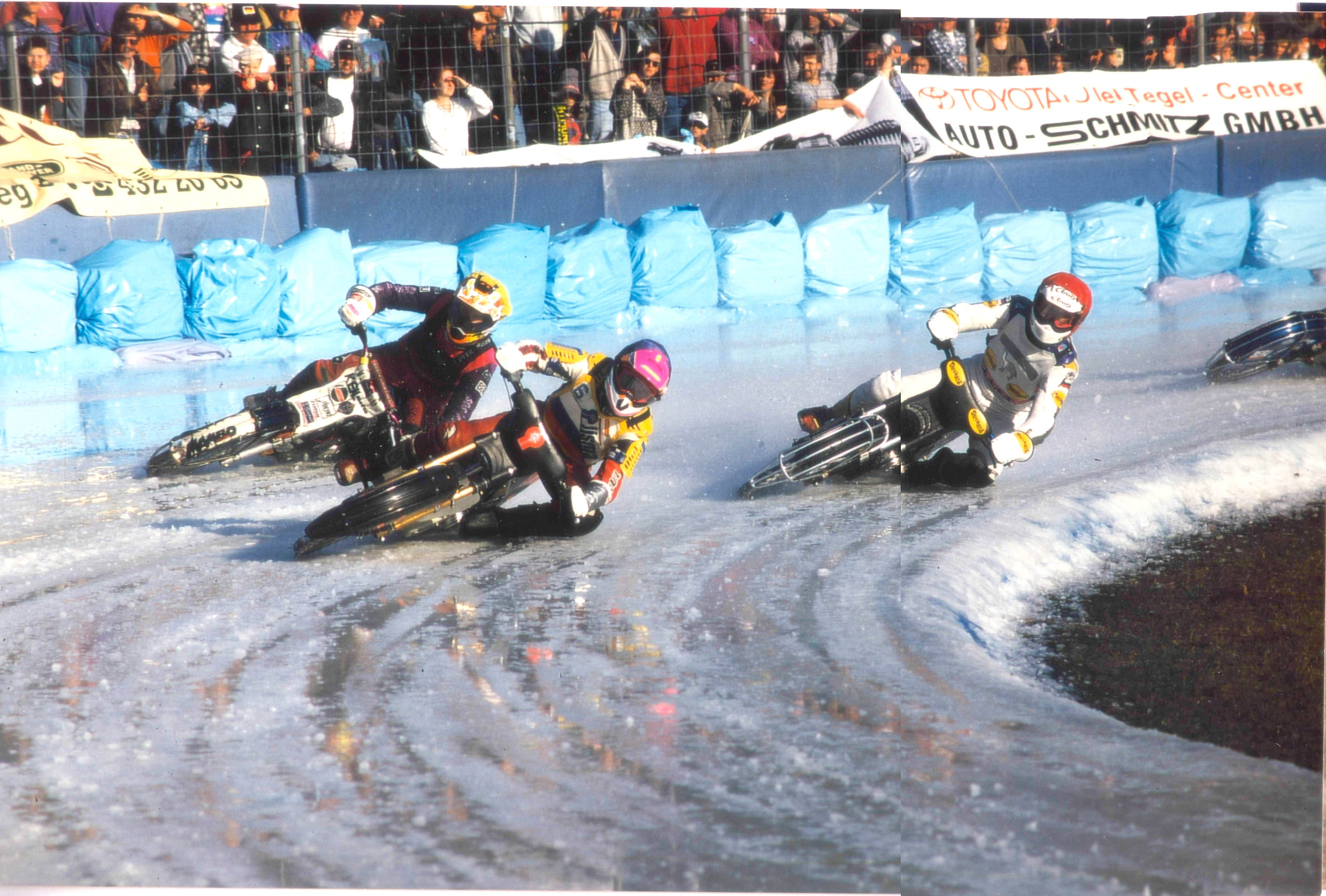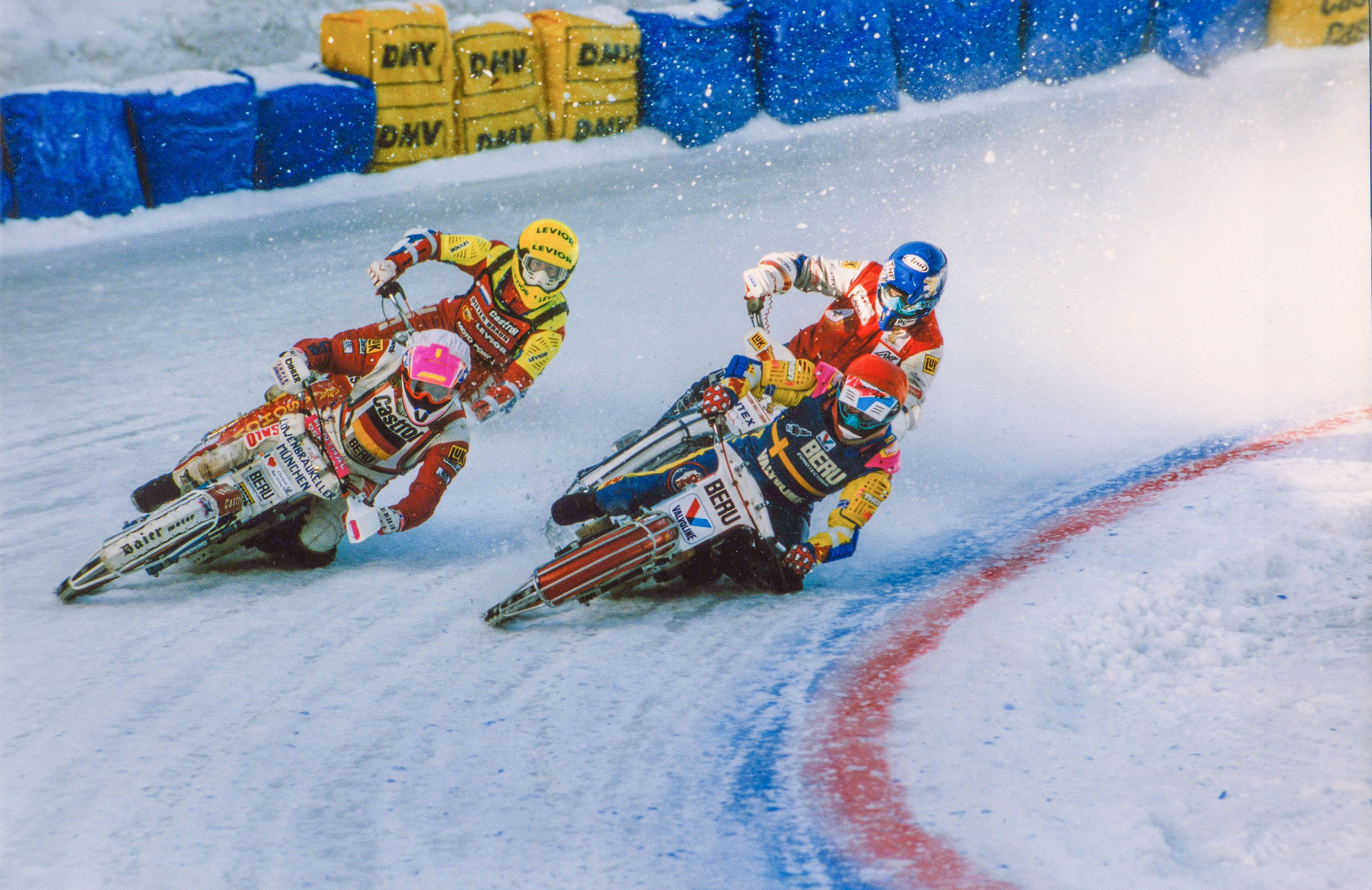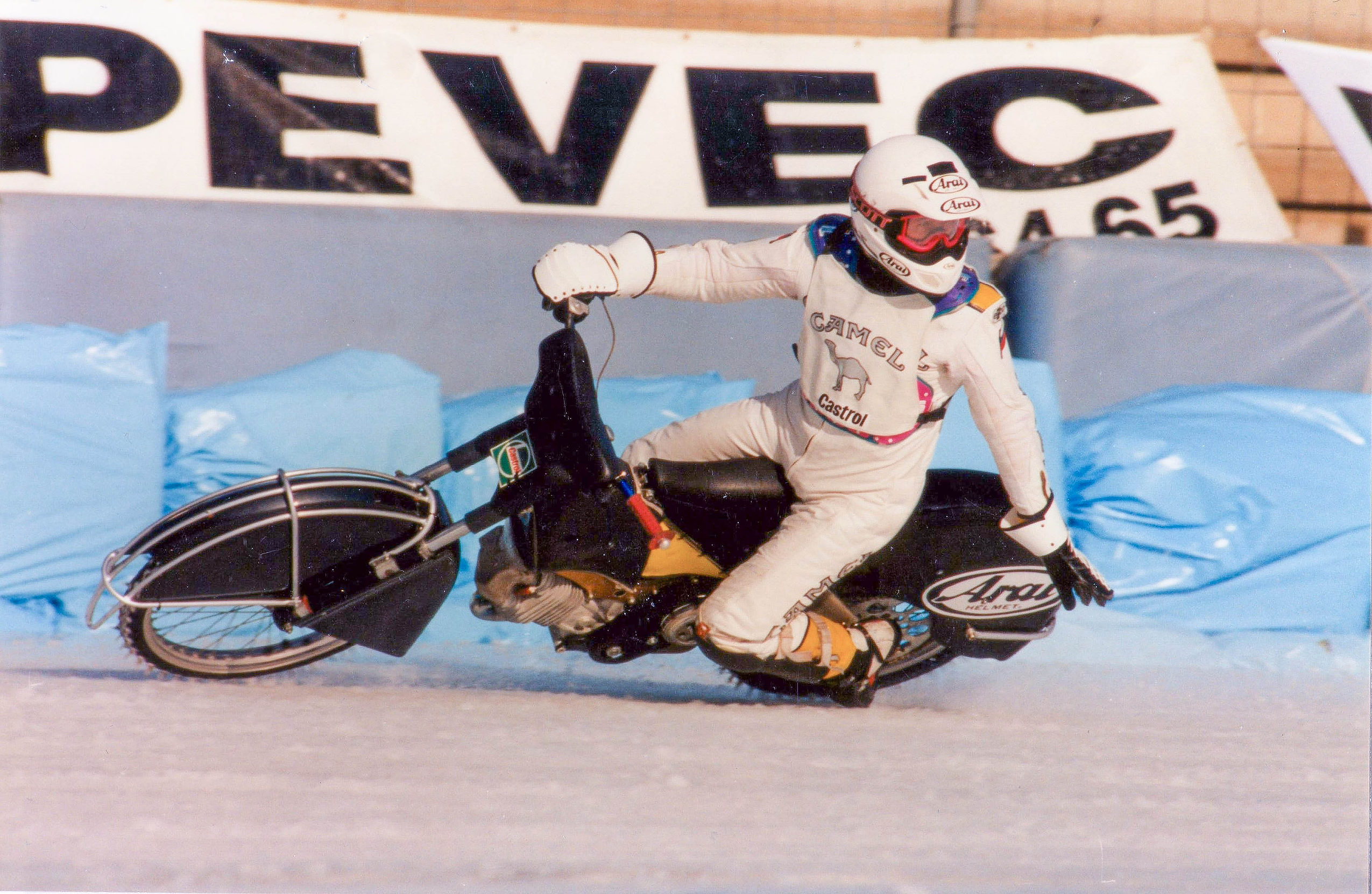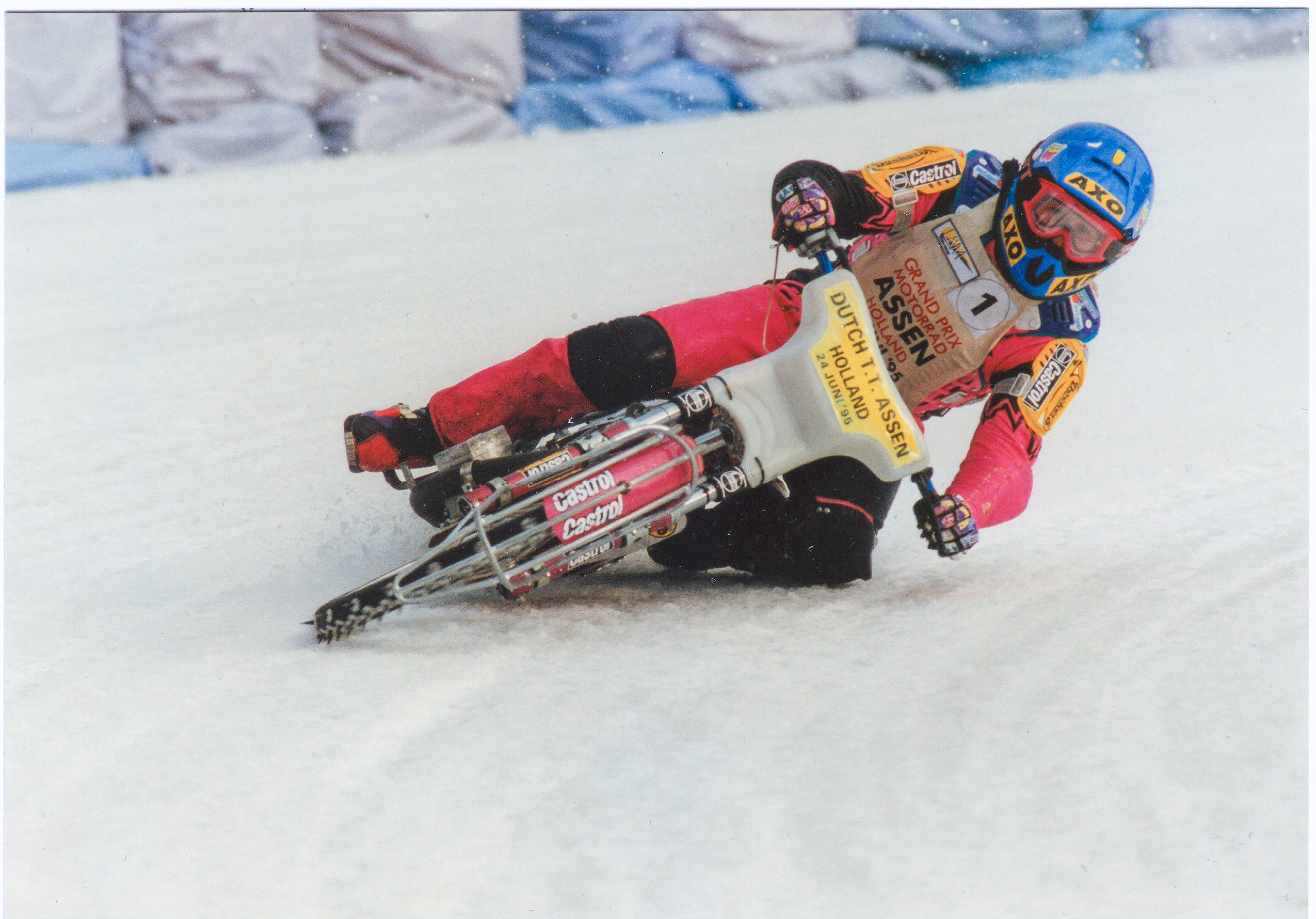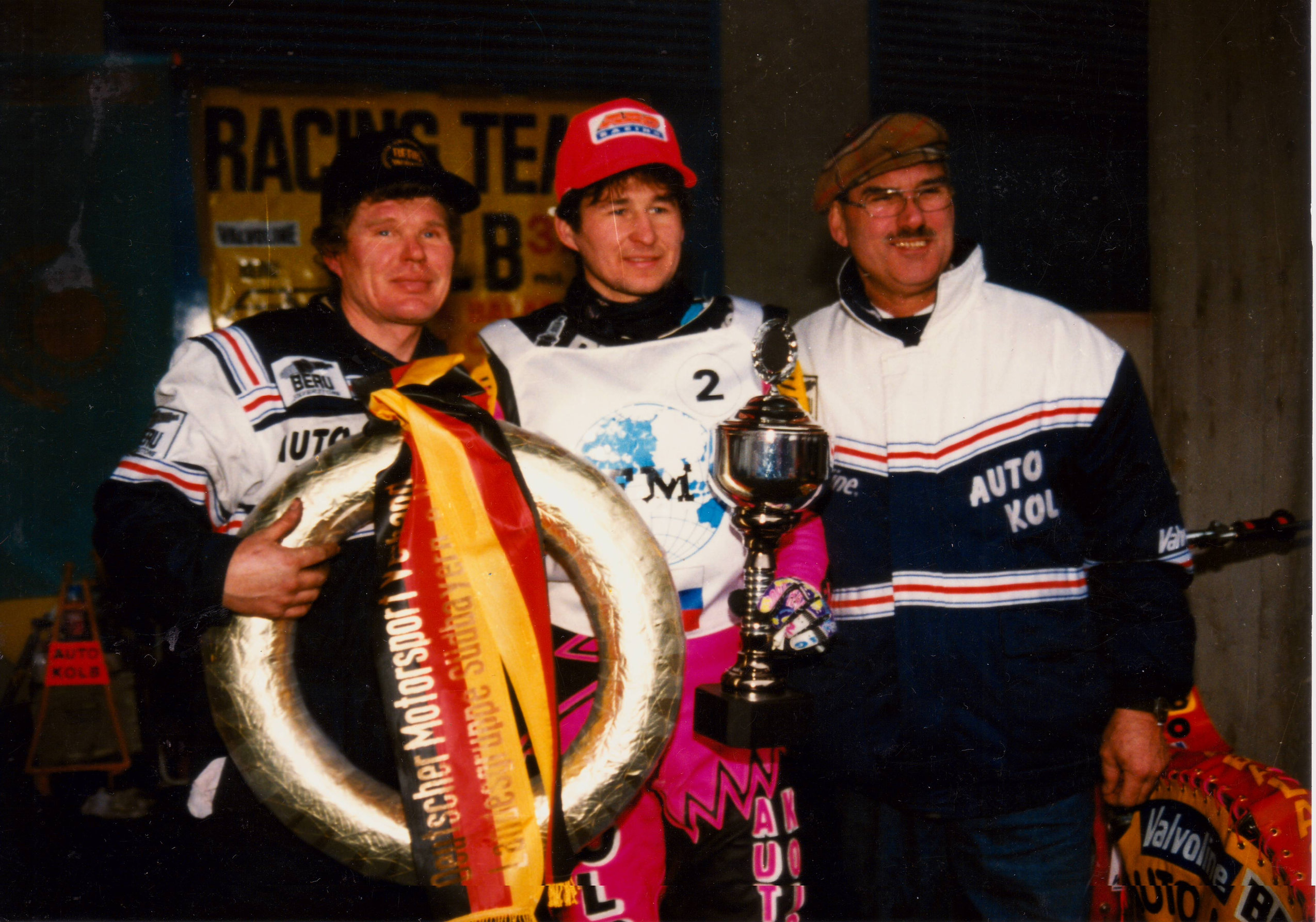

A season that, decades later, still stands as a benchmark of dominance in ice speedway
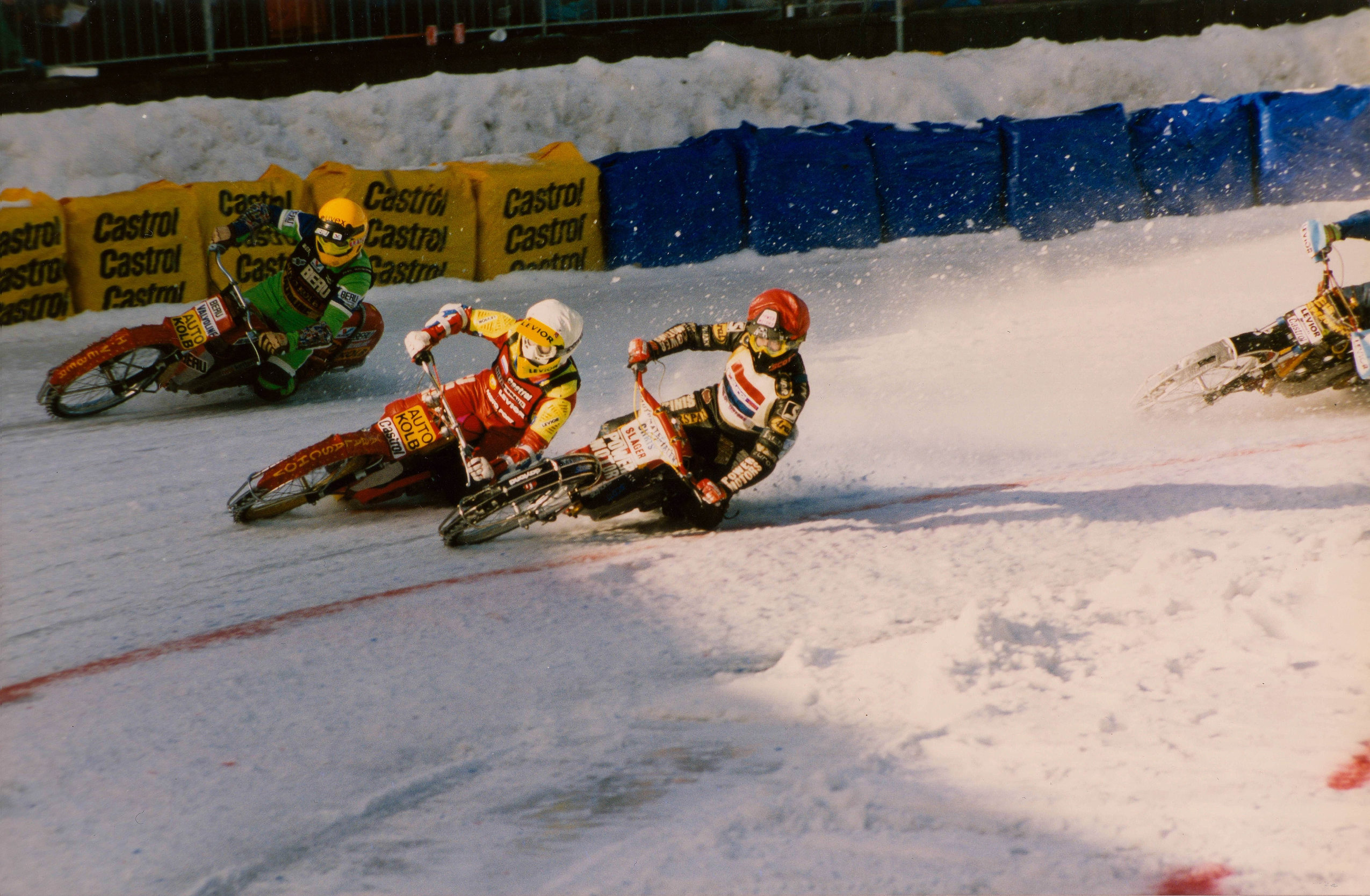
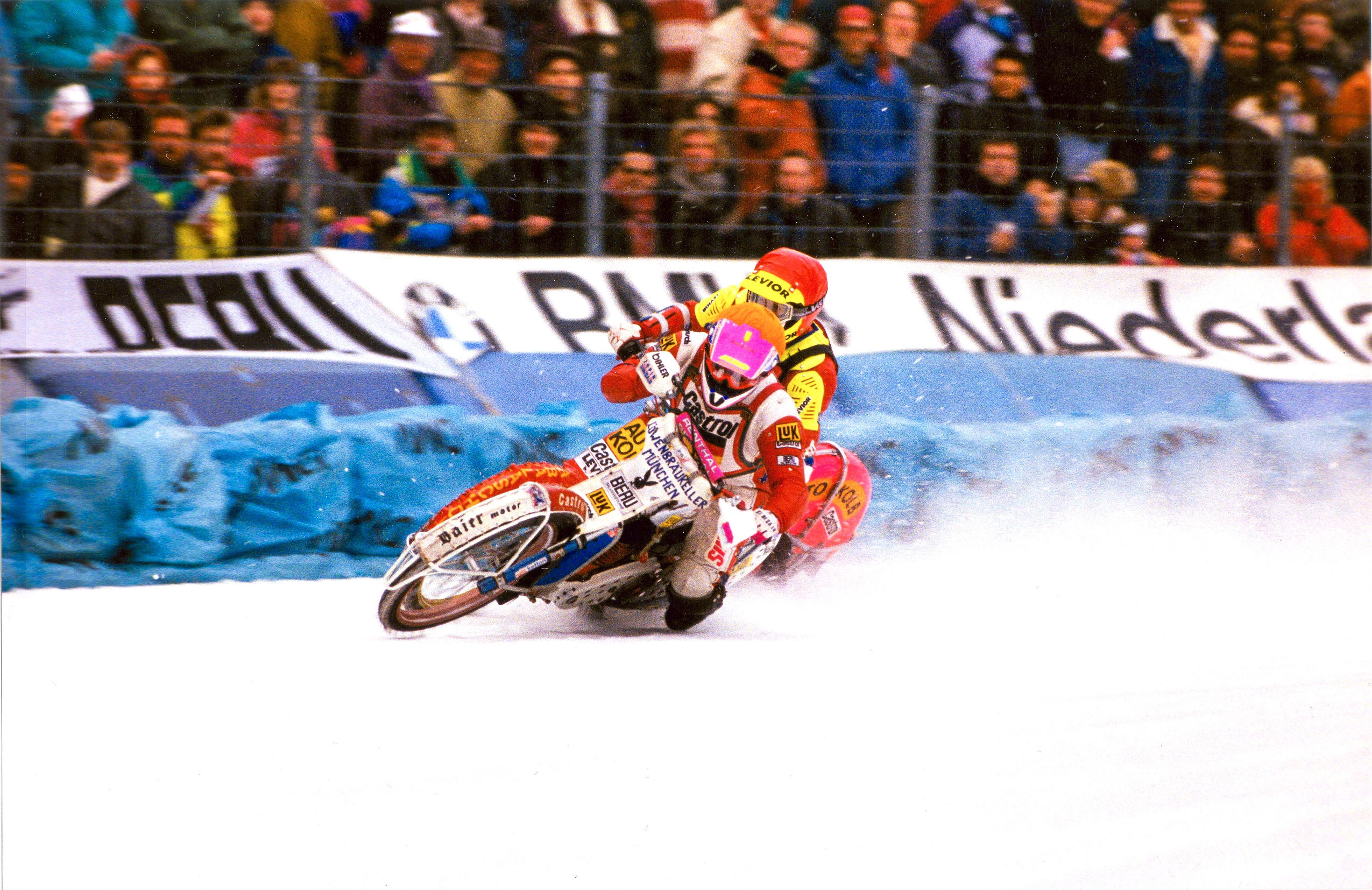
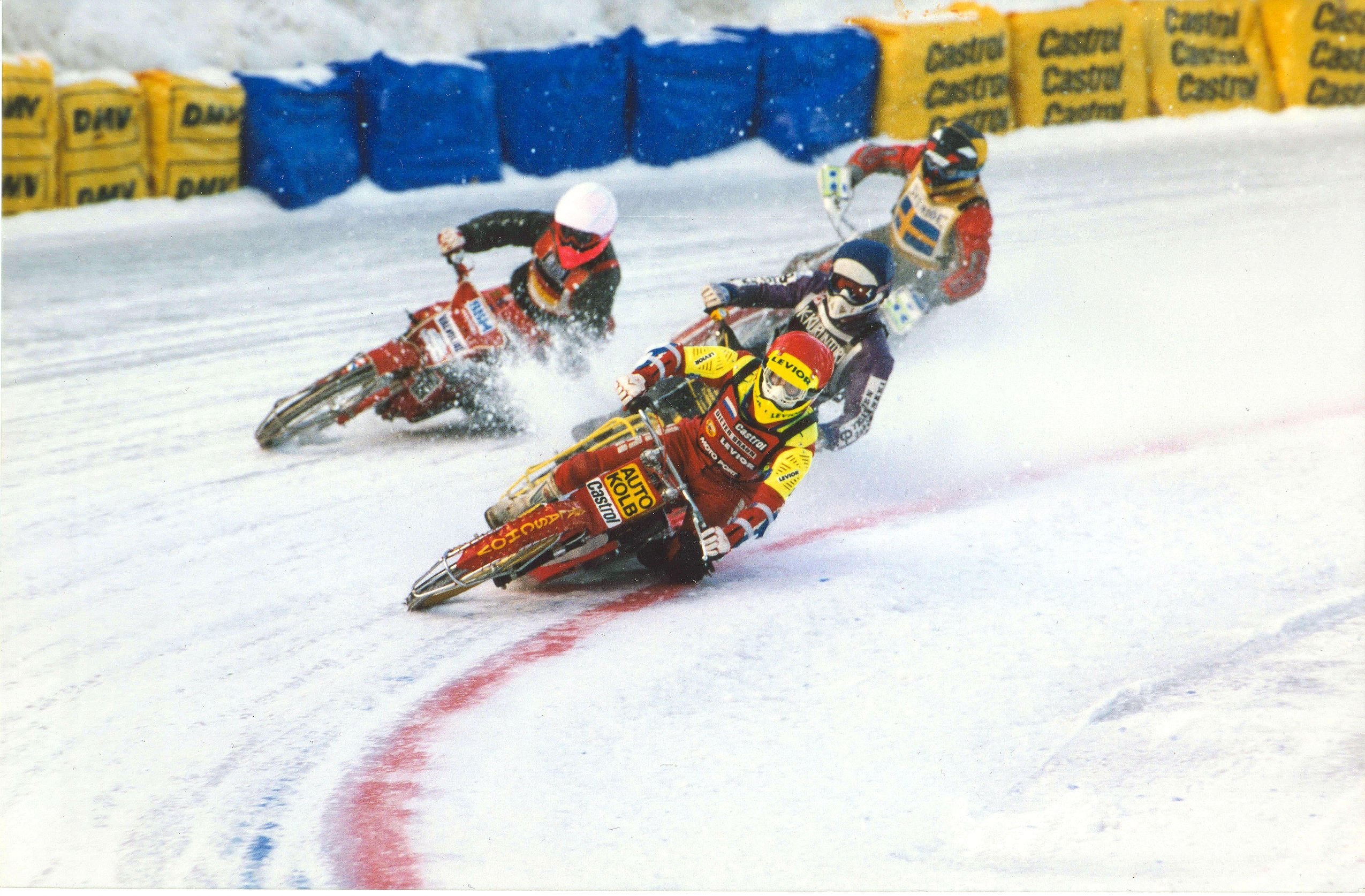
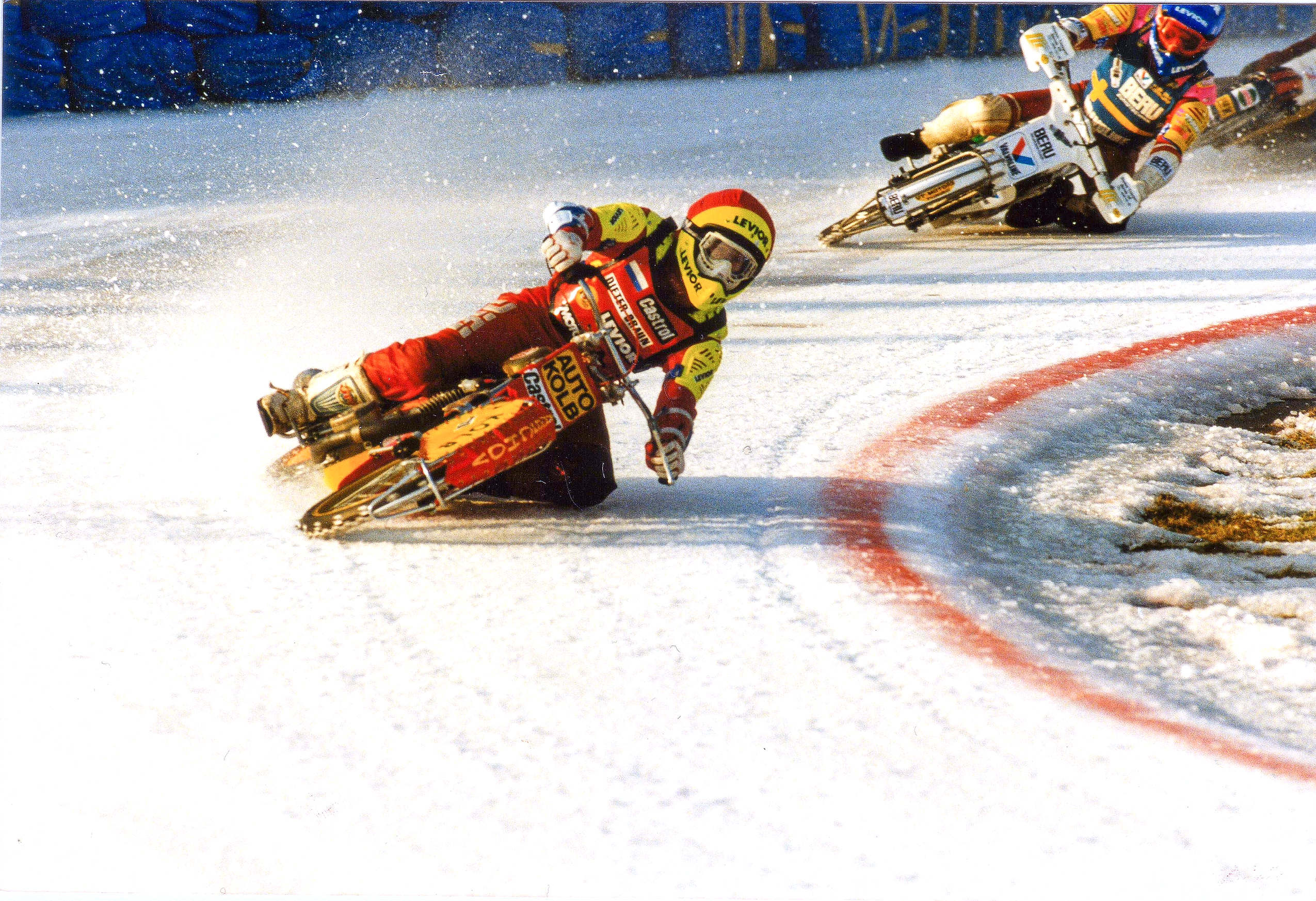
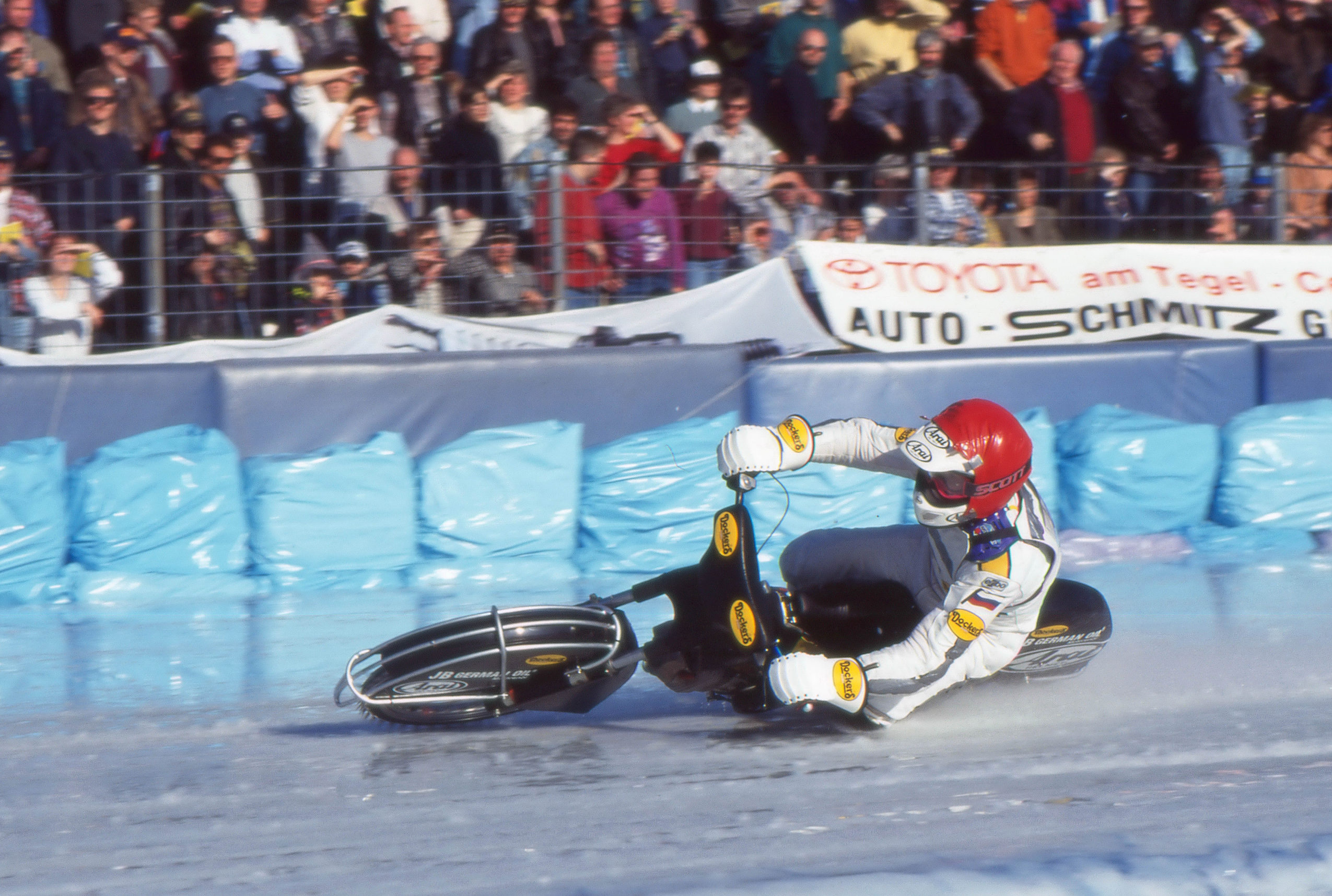
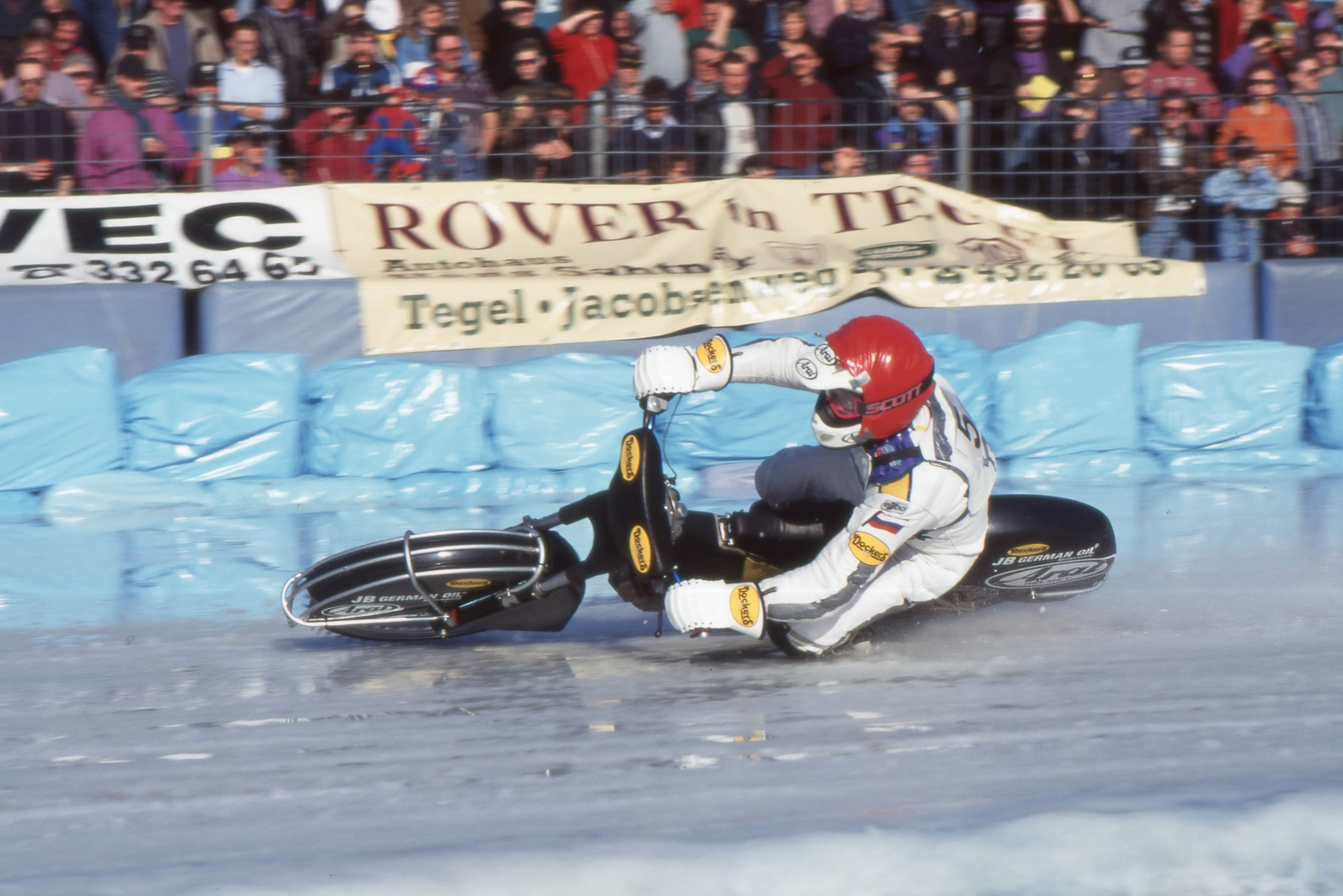
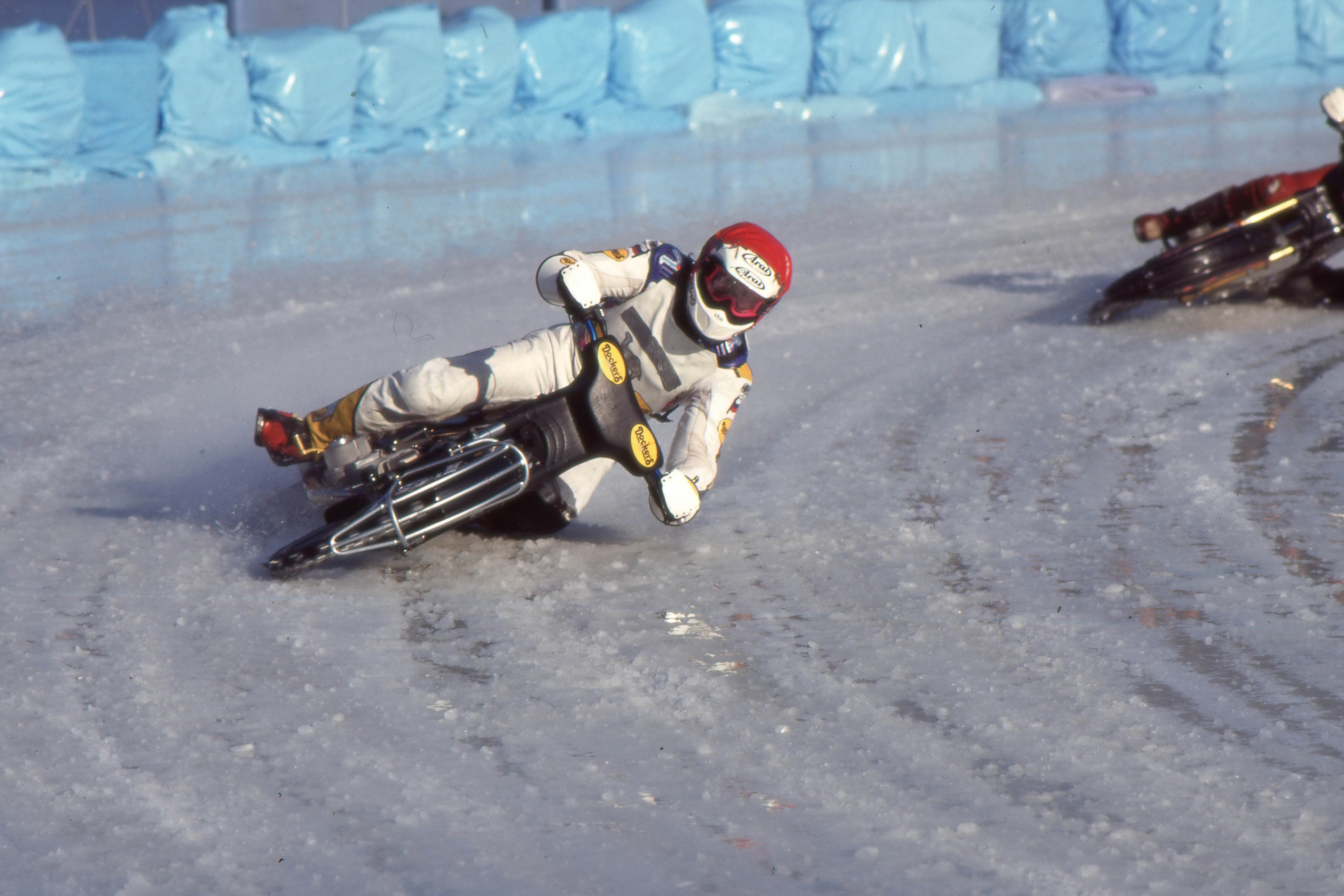
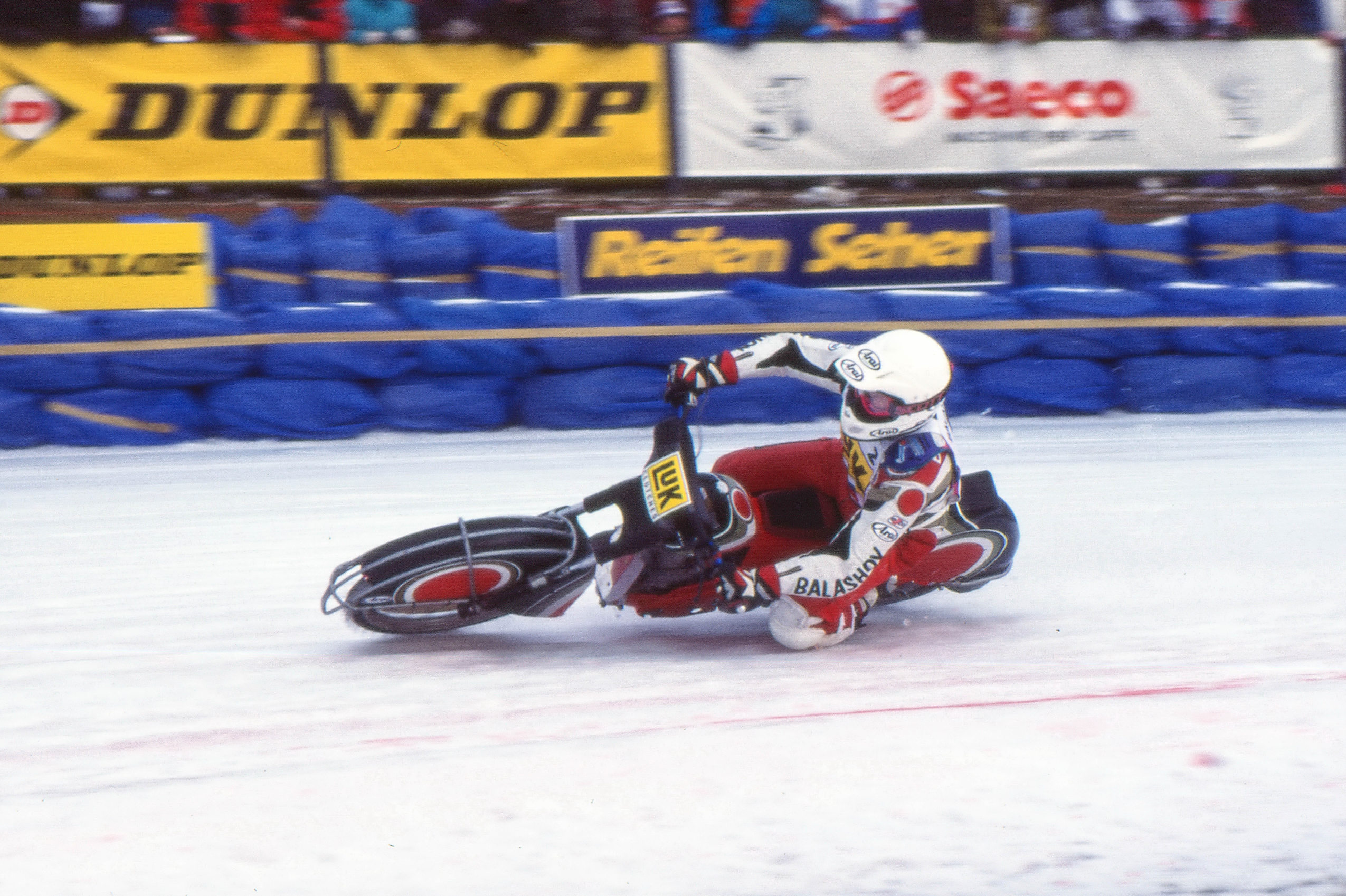
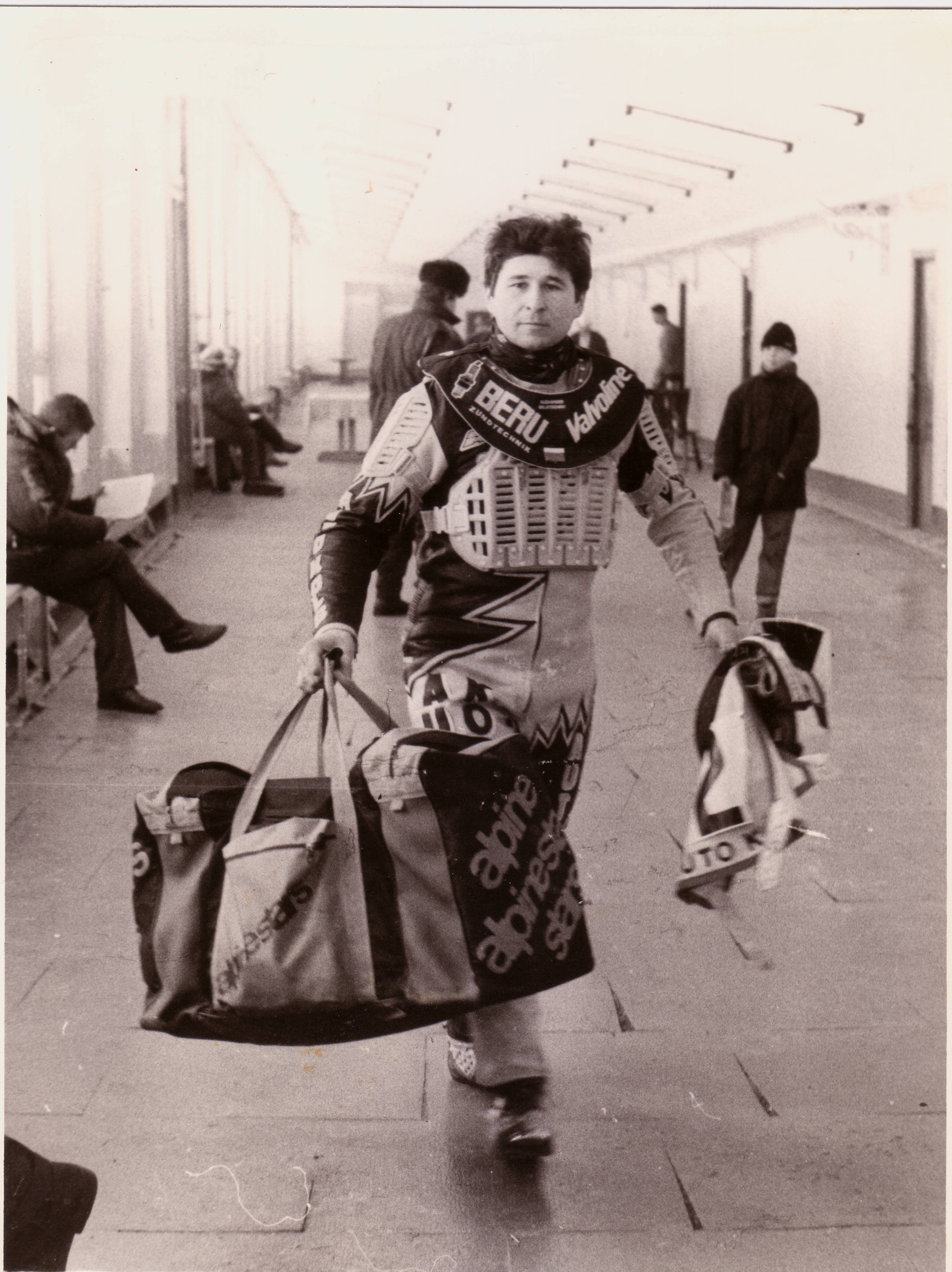
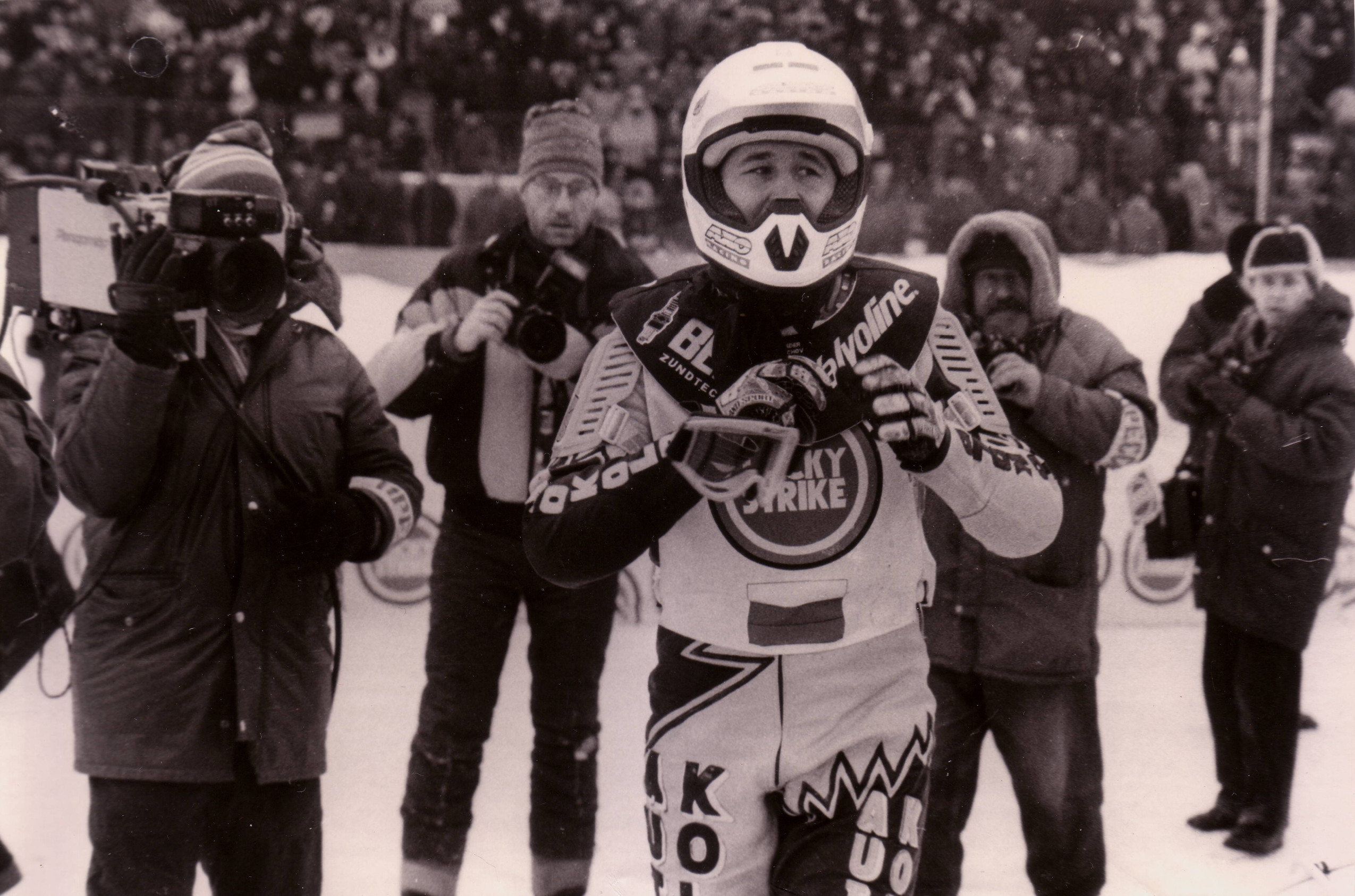
Looking back from 2026, the 1998 World Championship season remains one of the defining chapters in the history of ice speedway. It was the year Alexander Balashov reaffirmed his place among the sport’s greats, reclaiming the world title after a one-year absence.
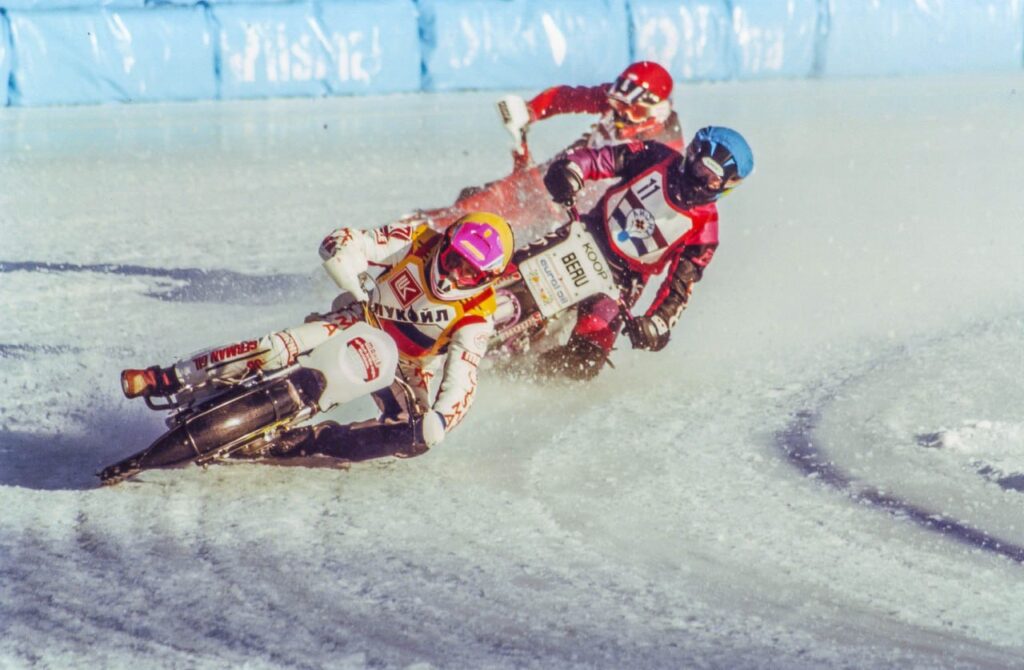
The championship returned to the Grand Prix format — a system that rewards not only outright speed, but consistency across multiple rounds. It was precisely this quality that defined Balashov’s campaign.
Krasnogorsk: The Foundation of a Title
The season opened in Krasnogorsk, just outside Moscow — a venue that, in hindsight, marked the beginning of a near-perfect championship run.
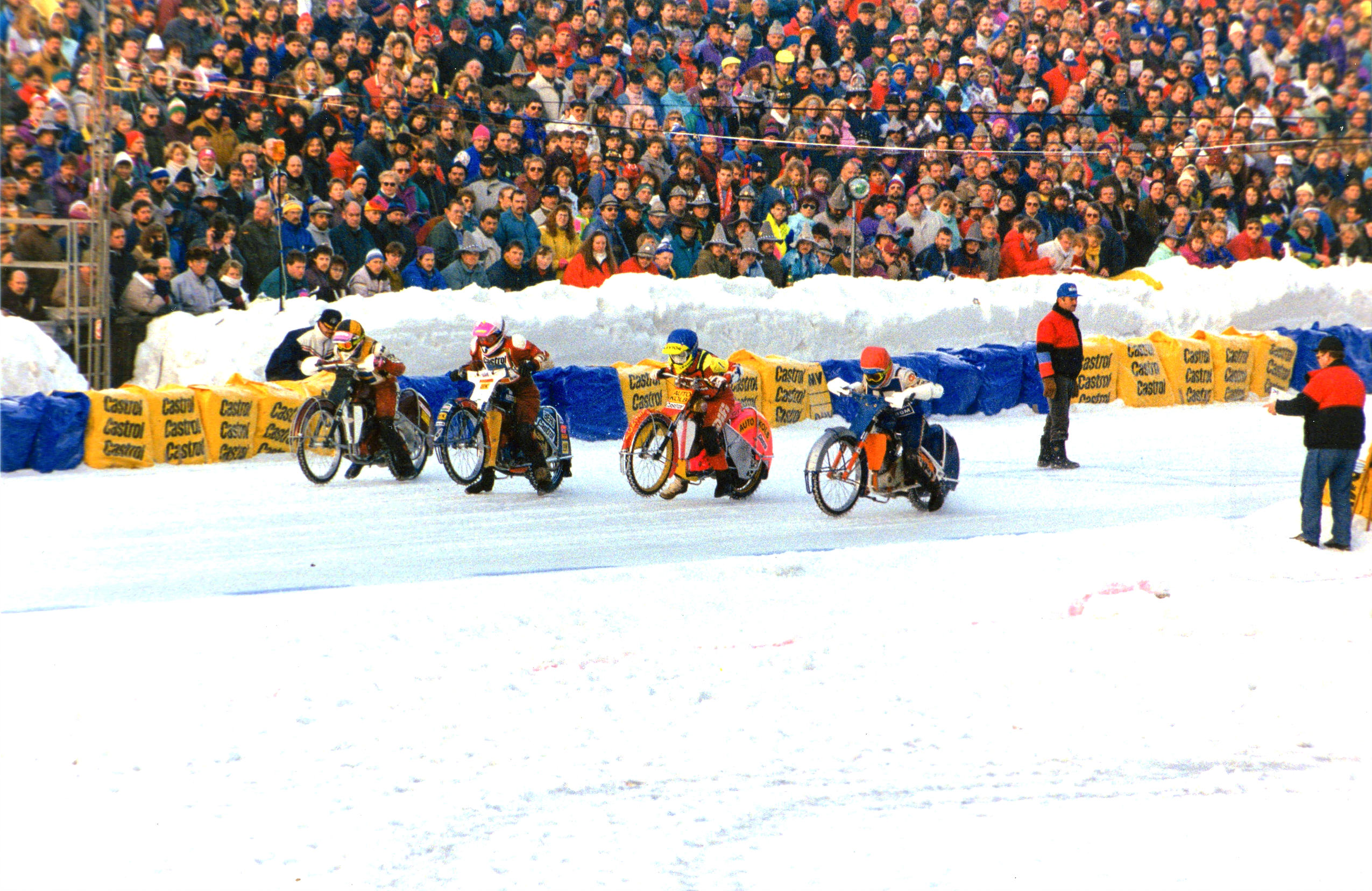
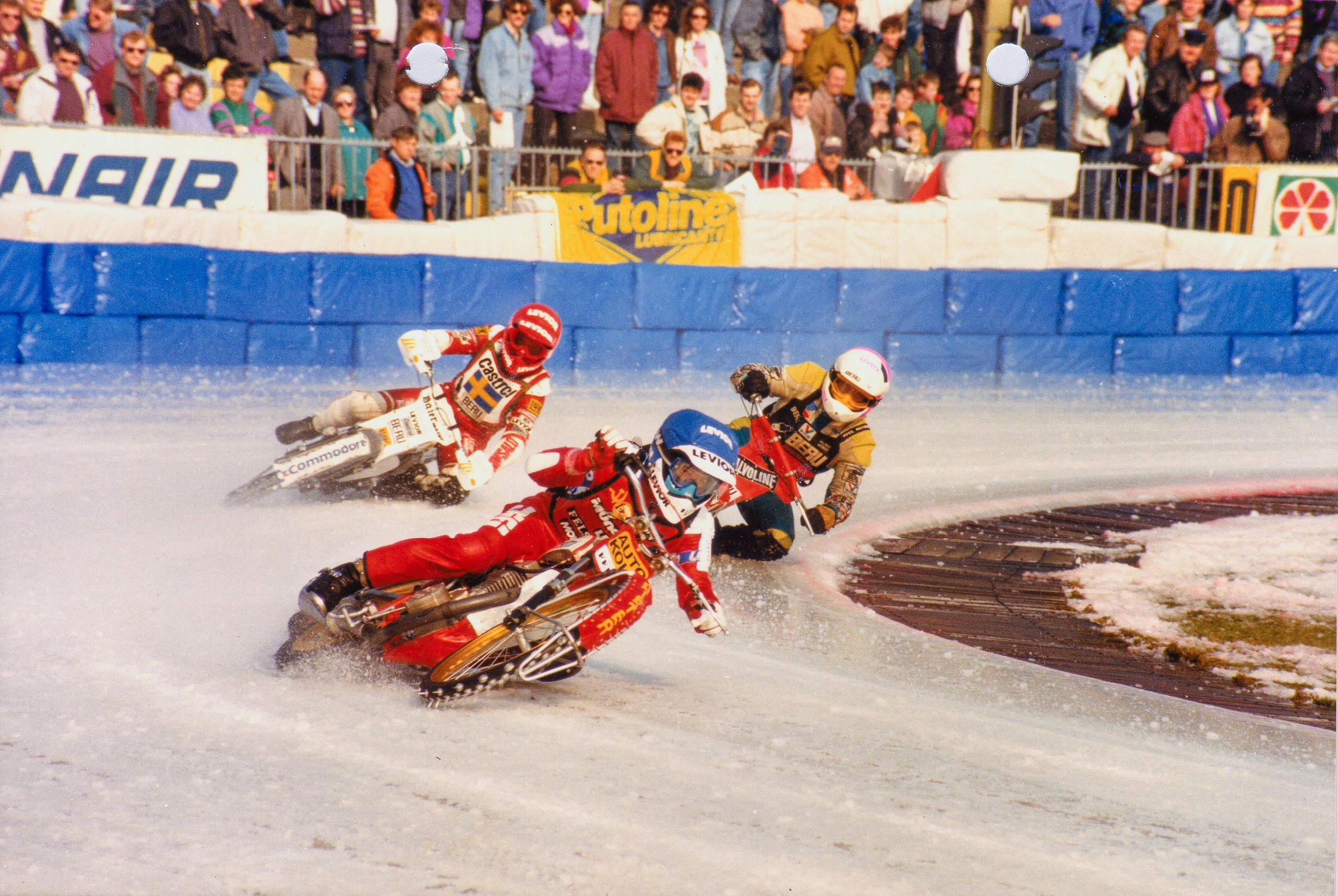
Balashov won all of his heats across the opening rounds. What made this performance even more remarkable was that he was not always the fastest off the line. That distinction often belonged to Finnish starter Jaari Albohm, widely regarded as one of the best in that discipline at the time.
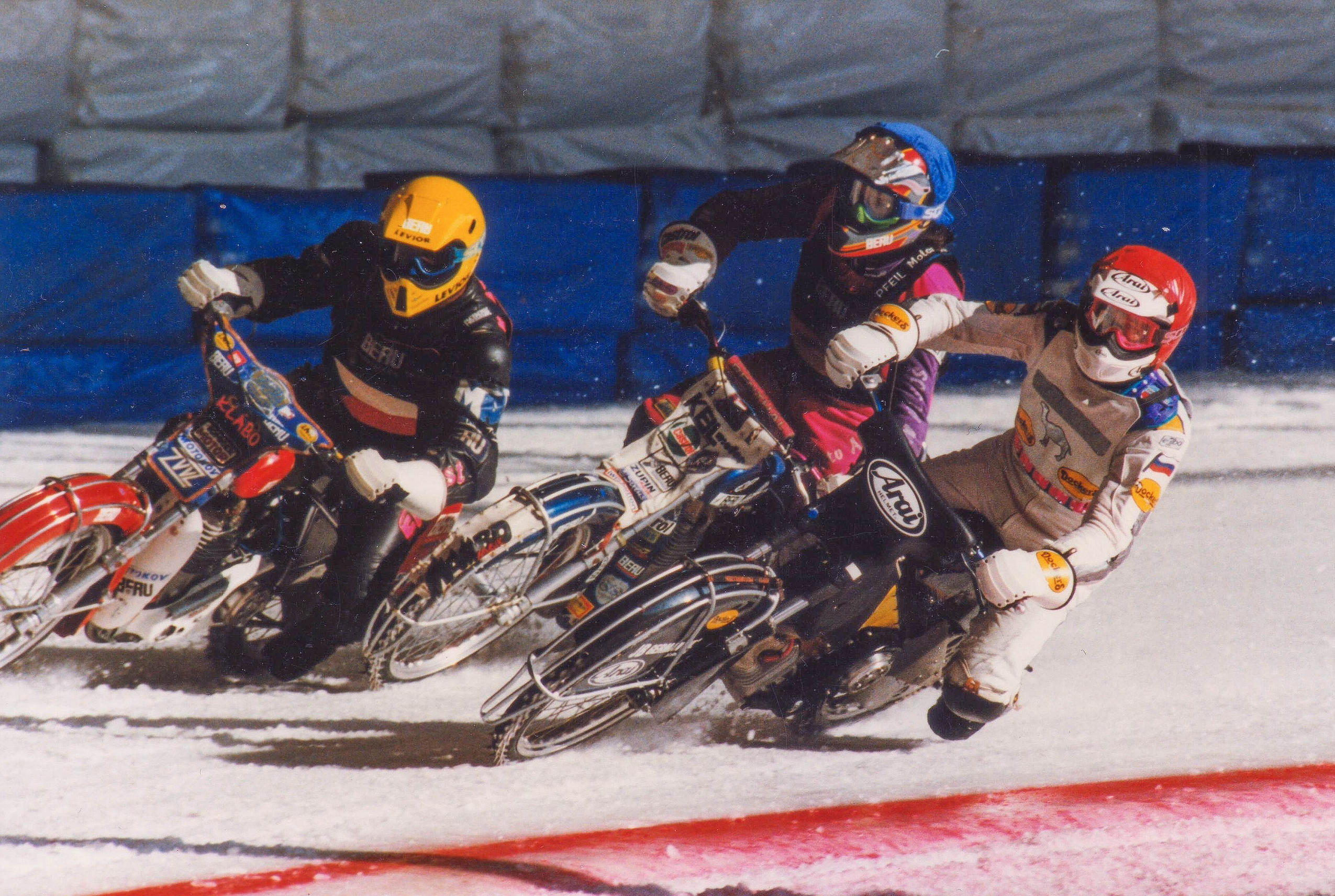
Yet Balashov’s racecraft set him apart. Lap after lap, he demonstrated an ability to control races, manage lines, and apply pressure exactly when needed.
Two Grand Prix rounds yielded a perfect 50 points, placing him firmly ahead of defending world champion Kirill Drogalin and consistent contender Vyacheslav Nikulin.
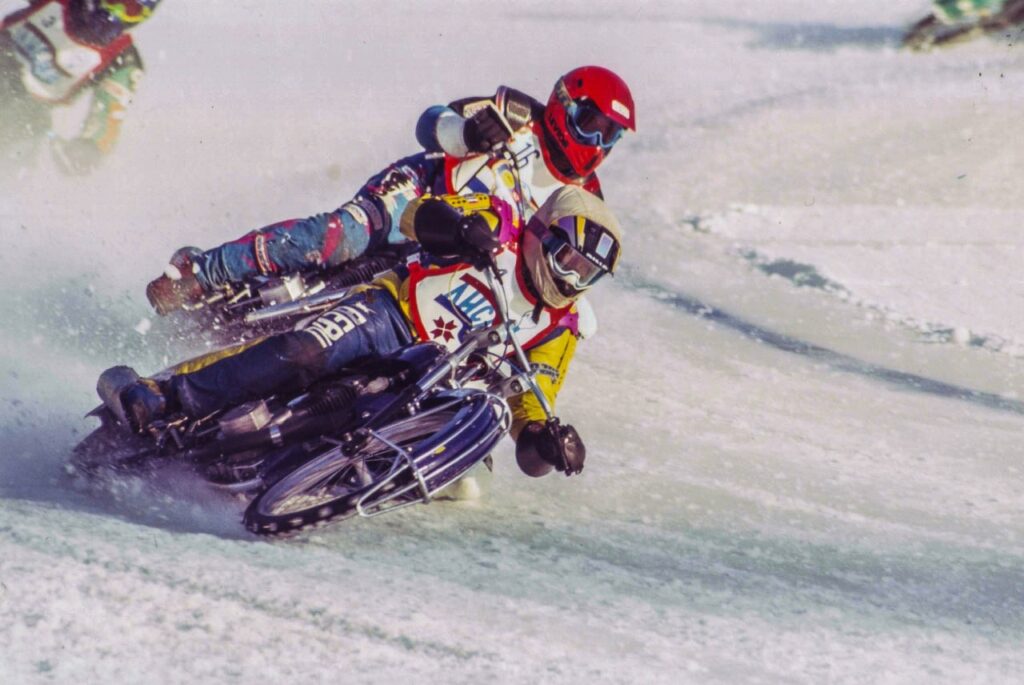
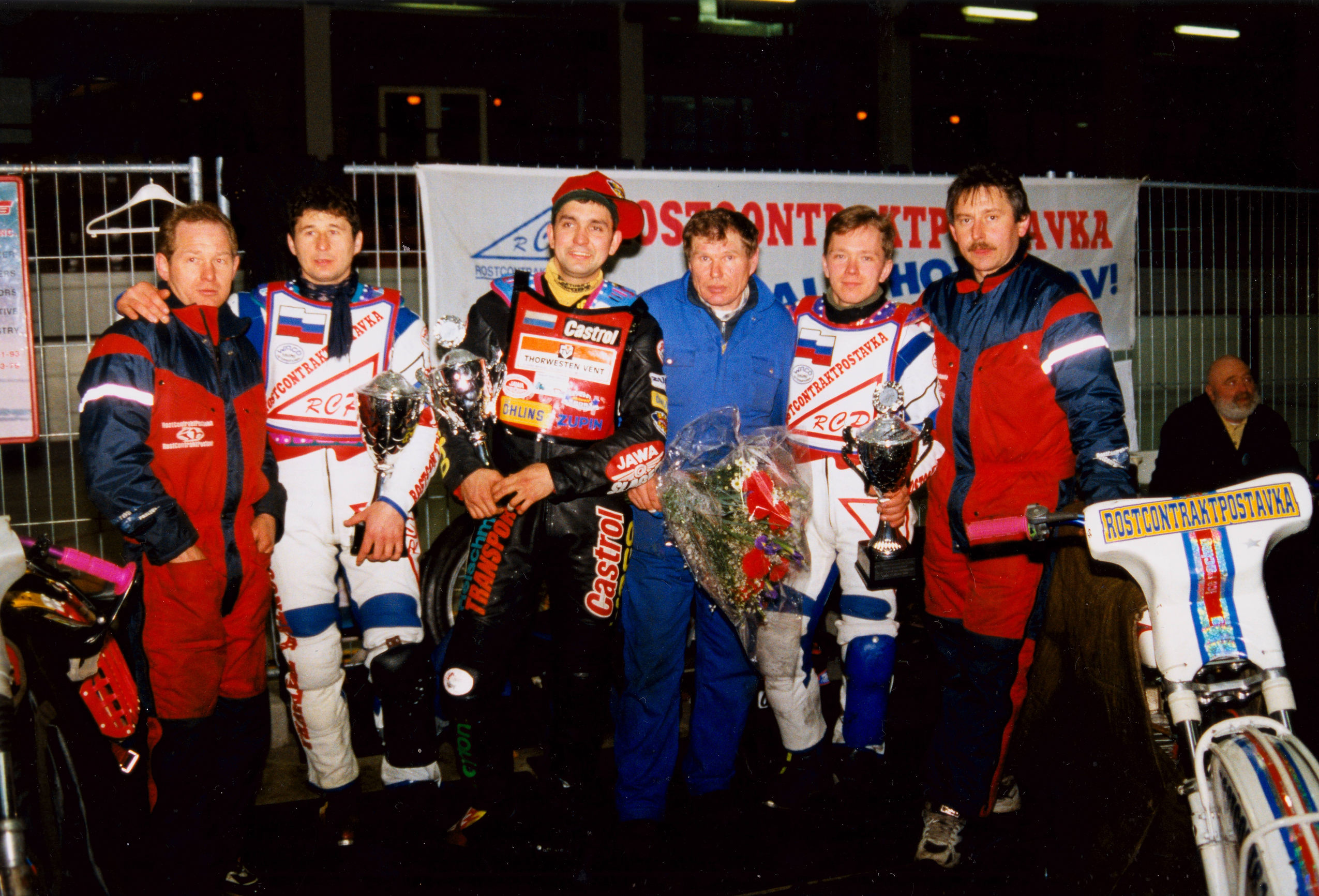
Behind the scenes, his technical crew — Vladimir Belonogov and Yuri Maksimov — delivered machinery that was both reliable and finely tuned, forming the backbone of his success.
Mid-Season Control: Saransk and Inzell
As the championship moved to Saransk and later to Inzell, Balashov’s advantage only grew stronger.
He continued to accumulate points with remarkable consistency, dropping victory in a final only once. Even that appeared to be a minor deviation rather than a sign of vulnerability.
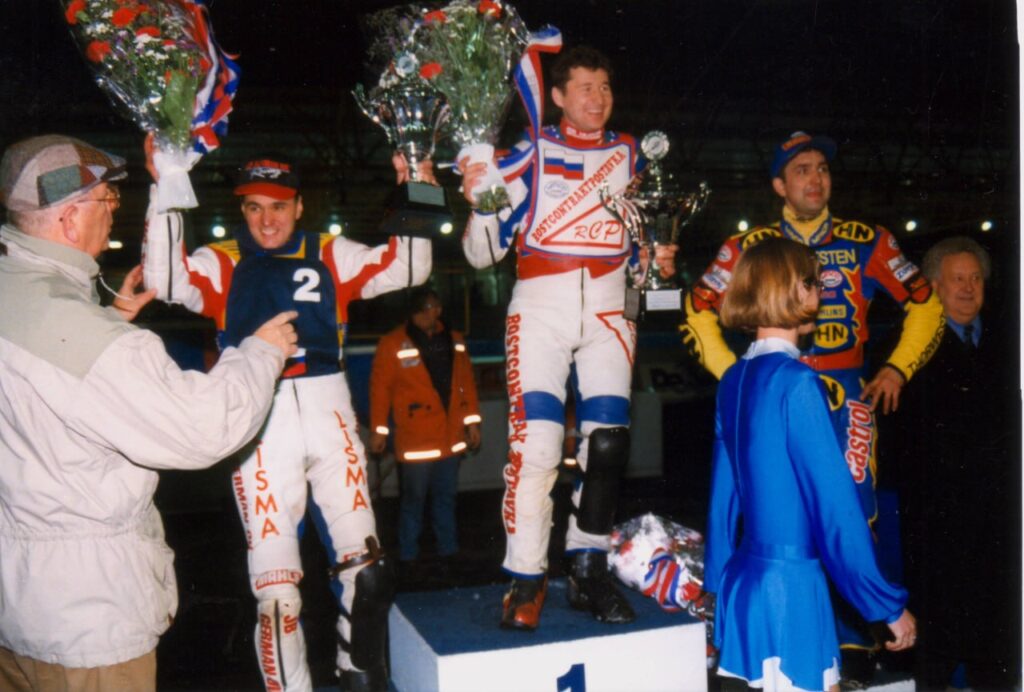
After six rounds, his tally stood at 145 points — a figure that, at the time, seemed to put the championship beyond doubt. Many observers believed the title race was effectively over.
Berlin: The Turning Point
But the 1998 season is also remembered for its sudden shift in momentum.
At the seventh round in Berlin, Balashov crashed on the opening day and suffered an injury that forced him to miss the event entirely. Victory went to Sweden’s Stefan Svensson, one of the few riders capable of challenging the Russian dominance of the era.
Balashov returned for the following round but was clearly not at full strength, scoring just 13 points. Meanwhile, Drogalin capitalized fully, delivering a perfect performance and closing the gap dramatically.
Heading into the final rounds in Assen, the standings were level:
Balashov and Drogalin — 158 points each.
The championship had been reset.
Assen: The Mark of a Champion
The final rounds in Assen are now viewed as a textbook example of championship composure.
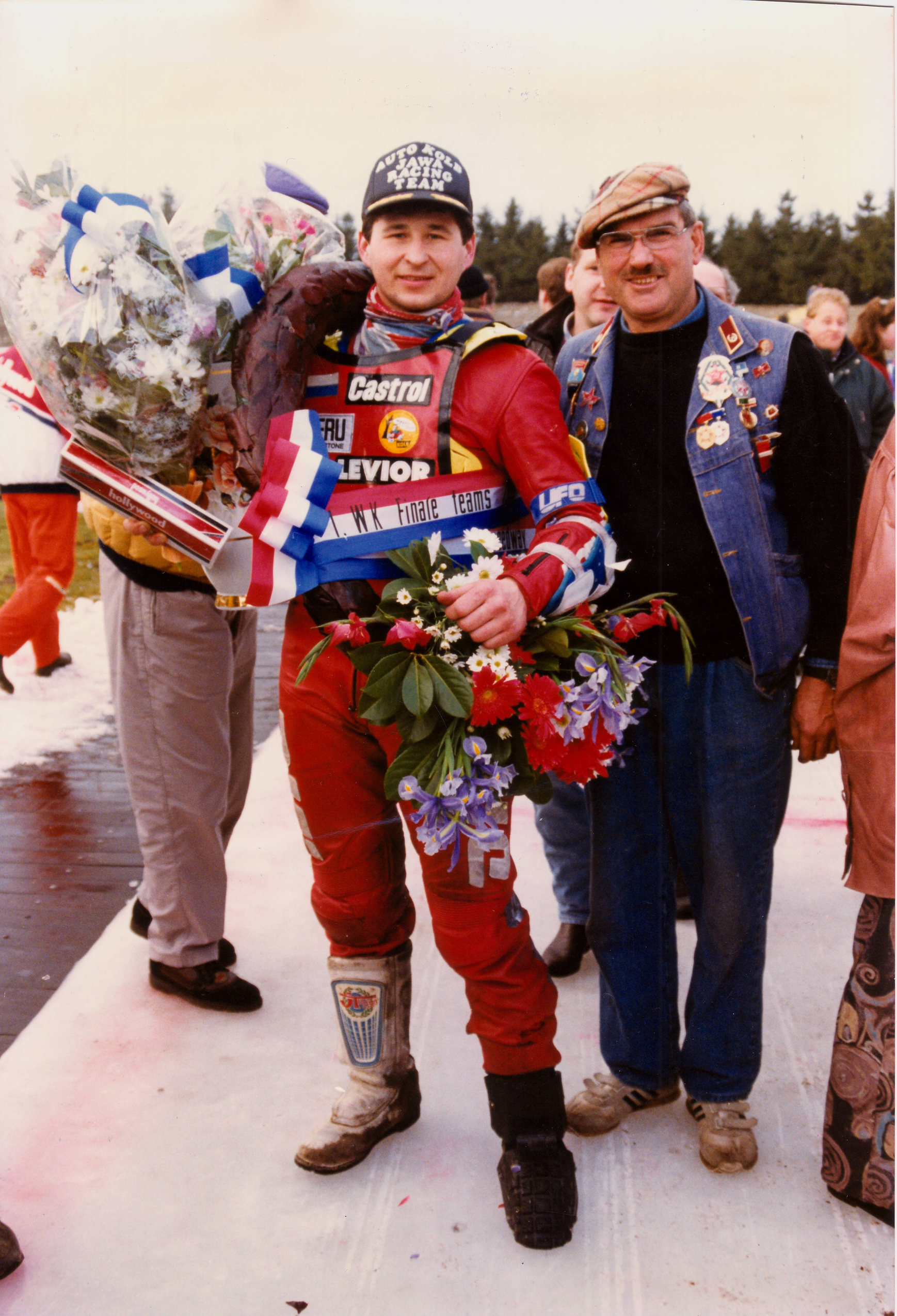
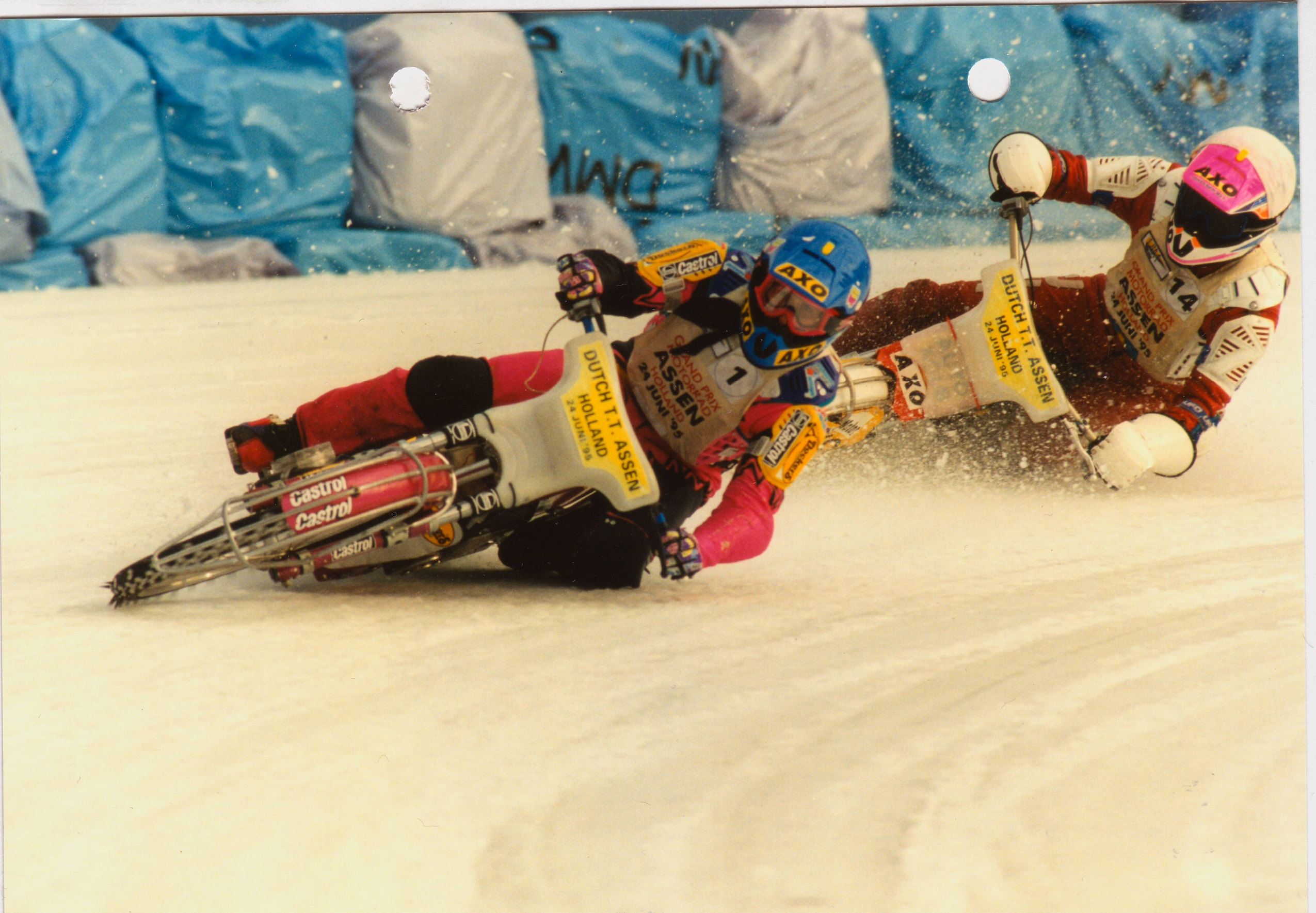
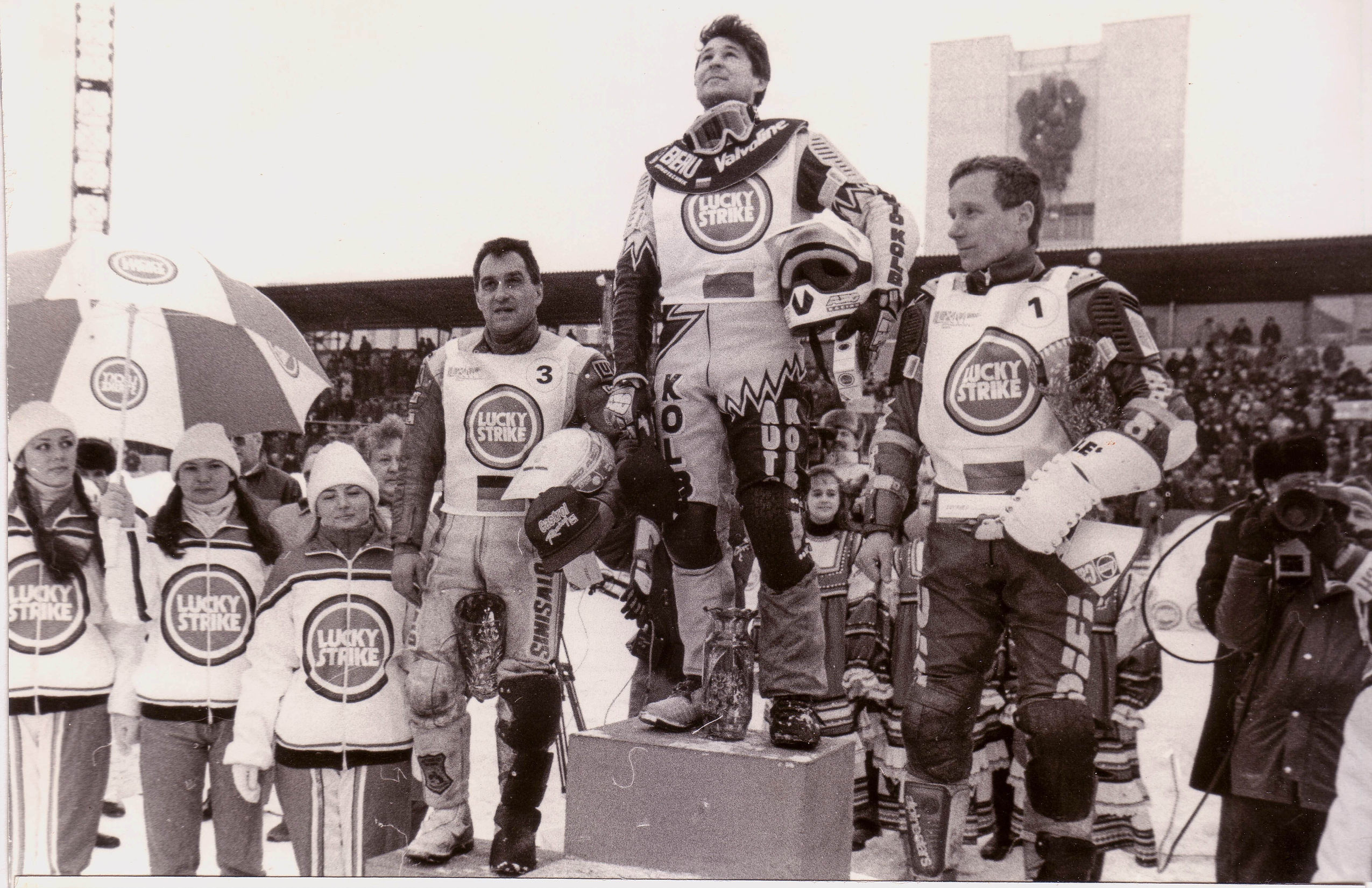
Balashov responded with authority, winning the opening day and reasserting control. On the second day, he adopted a calculated approach — avoiding unnecessary risks, securing a place in the main final, and collecting the points required to seal the title.
It was a victory defined not only by speed, but by maturity and tactical awareness.
Drogalin, by contrast, struggled under pressure. A fourth-place finish on the first day and failure to reach the main final on the second left him with the silver medal.
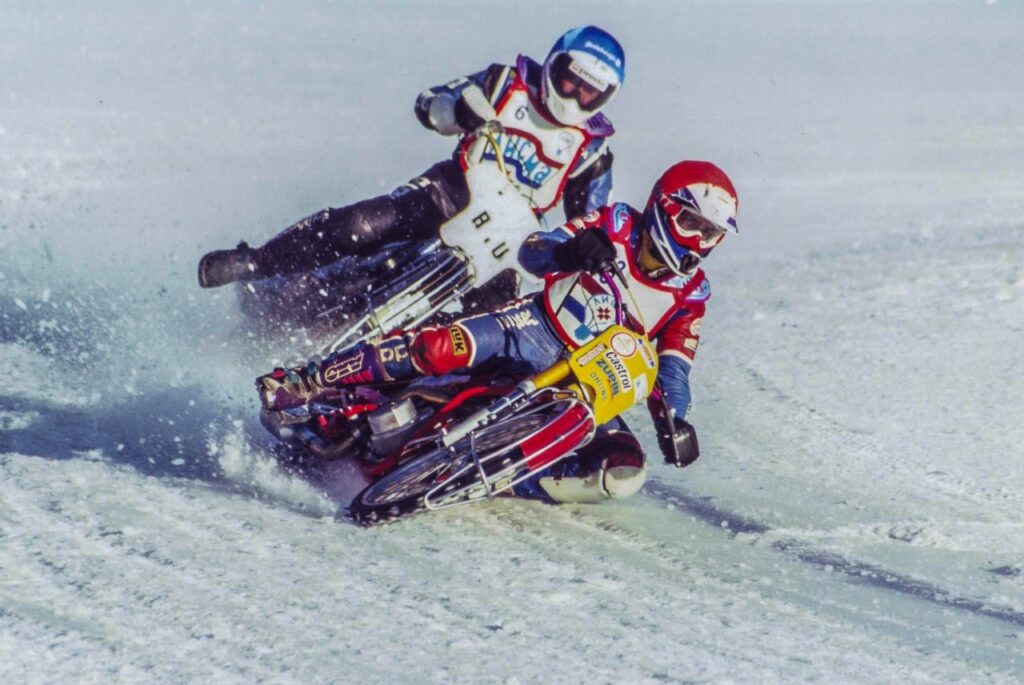
Nikulin completed the podium, having already secured enough points earlier in the season to remain out of reach of his closest challengers.
Beyond the Podium: Europe in Transition
From today’s perspective, the late 1990s clearly marked a period of Russian dominance in ice speedway.
The Swedish pairing of Per-Olov Serenius and Svensson provided the strongest resistance, yet even their experience proved insufficient to break into the top three.
In Germany, the landscape was shifting. The retirement of Michael Lang due to health reasons marked the end of an era. Responsibility fell to Günther Bauer, who managed to keep Germany competitive with a top-ten finish.
At the same time, a new generation began to emerge. Riders such as Markus Schweiger and Jürgen Liebmann impressed in qualification, while Austrian talent Franz Zorn seized his opportunity via wildcard entry and later confirmed his potential with victory in the Challenge.
The Legacy of 1998
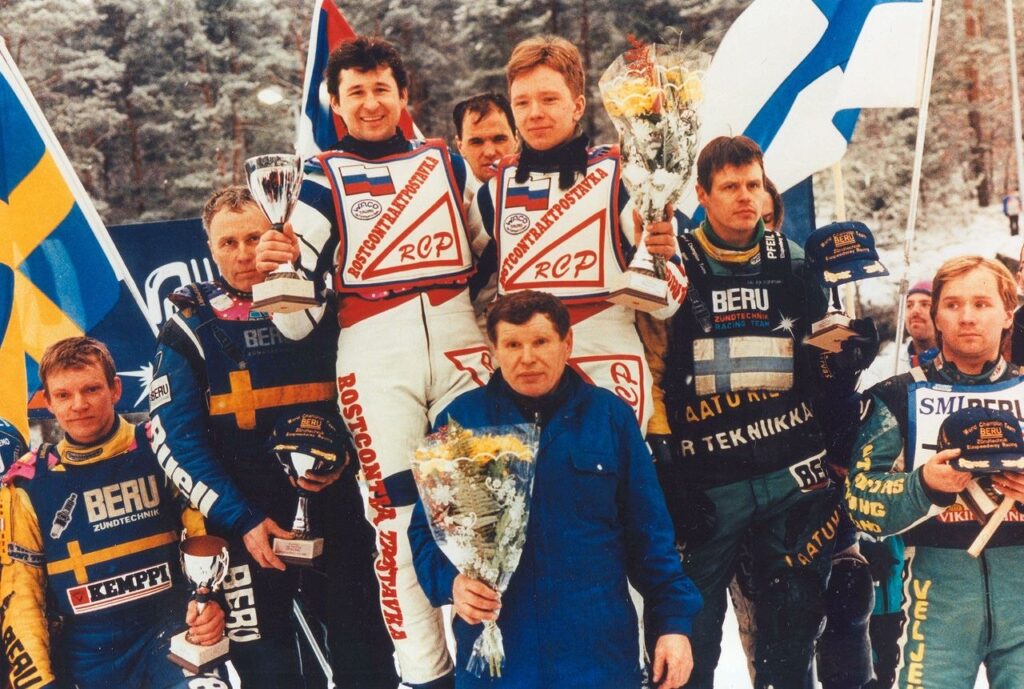
Seen from the distance of nearly three decades, the 1998 season represents far more than a championship victory.
It stands as a complete demonstration of what defines a great rider: speed, consistency, resilience, and the ability to deliver under pressure.
At the time, the central question was simple:
who could challenge Balashov and Drogalin in the years ahead?
With hindsight, the answer is more nuanced. The 1998 season was not just about competition — it was about the consolidation of an era, one that would shape the trajectory of ice speedway for years to come.
Alexey Polyatsev