

Introduction
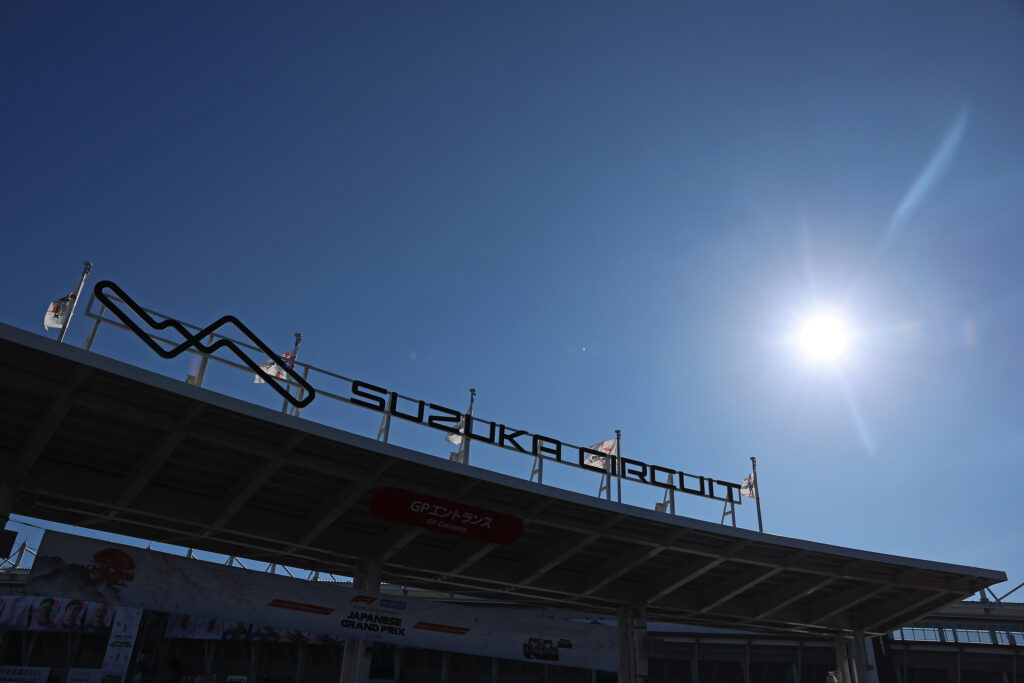
The Japanese Grand Prix marked the third round of the 2026 season and took place from March 27 to 29 at the Suzuka International Racing Course—one of the most technically demanding circuits on the calendar. Suzuka has long been regarded as a track where car balance, aerodynamics, and driver skill are decisive factors.
At the same time, Suzuka rarely delivers a high number of overtakes, and ahead of the weekend many doubted whether even the new 2026 regulations could change the nature of the race. However, following an action-packed round in Shanghai, expectations had grown, with drivers hoping that even on such a demanding circuit there would be opportunities for on-track battles.
It is worth recalling that the 2026 season introduced significant technical changes: a redistribution of power between the internal combustion engine and the electrical system, new aerodynamic requirements, and a revised car philosophy. All of this has made races less predictable and significantly increased the importance of strategy.
Qualifying: A Statement of Intent
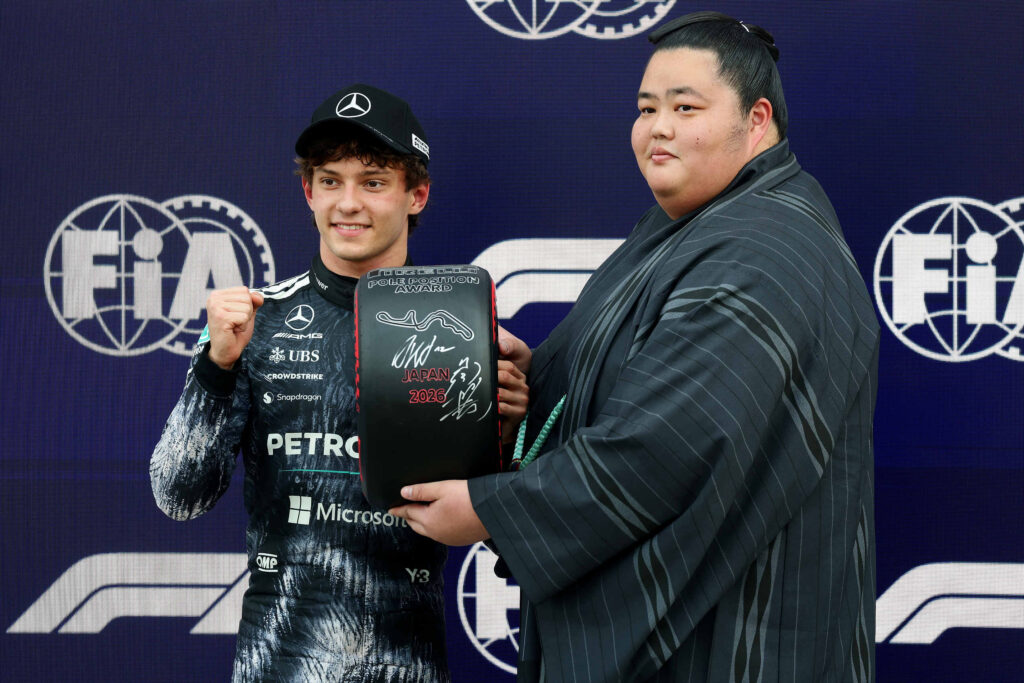
The weekend began with strong pace from McLaren, but in qualifying, Kimi Antonelli seized the initiative. He confidently secured pole position, demonstrating not only speed but also a level of consistency rarely seen from last year’s rookie. The Italian claimed his second consecutive pole, while Mercedes locked out the front row once again. Meanwhile, the championship favorites were shuffled: Charles Leclerc and Lando Norris started just behind, while Max Verstappen found himself only in the midfield.
The Start and Early Phase
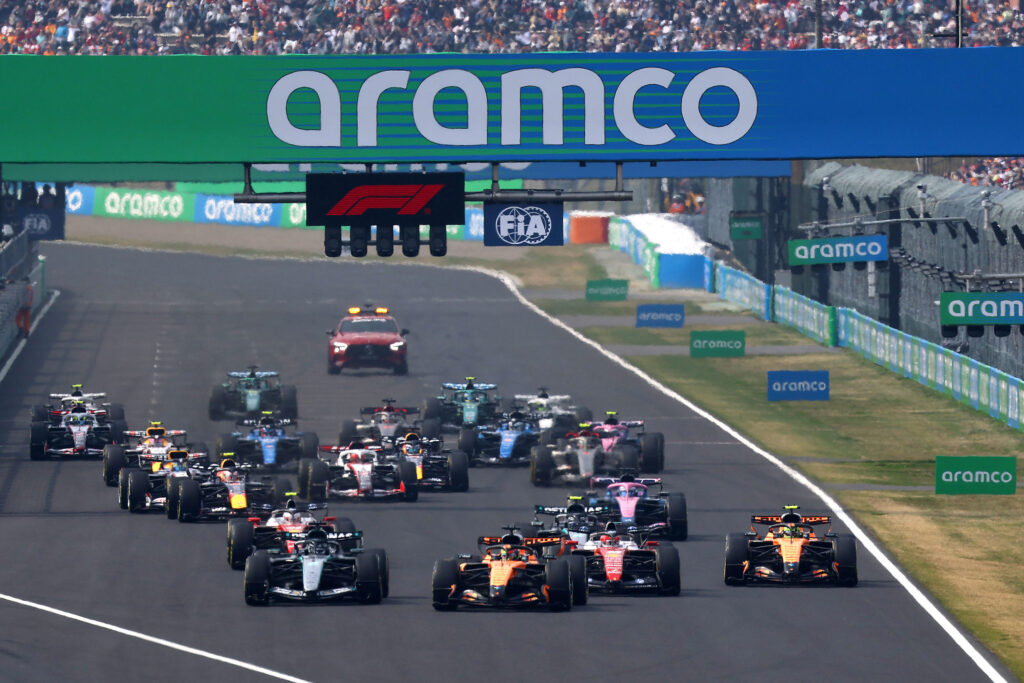
The race start was delayed due to an incident in a junior series, and after the pause, the field launched forward. Oscar Piastri reacted best to the lights and took the lead, while Antonelli lost positions due to wheelspin. The opening laps were tightly contested: George Russell was on the attack, Leclerc maintained strong pace, and Verstappen steadily worked his way up the order.
Strategic Battle
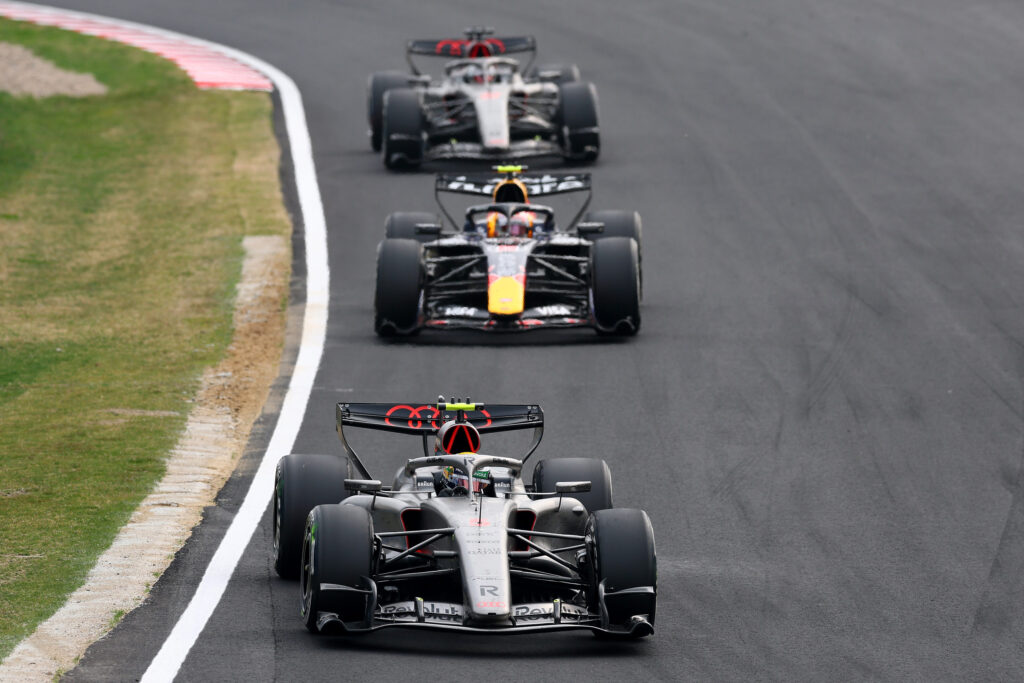
As the race unfolded, strategy came to the forefront. Teams adopted different approaches to tire management and pit stop timing, given the heavy tire degradation at Suzuka. Some opted for longer stints to minimize stops, while others chose aggressive tactics with early pit visits.
Despite his poor start, Antonelli gradually began to recover. He demonstrated consistent pace, managed his car’s resources intelligently, and avoided unnecessary risks. His return to contention became only a matter of time.
Crash and Safety Car — The Turning Point
The key moment came on lap 21, when Oliver Bearman crashed at Spoon Corner, bringing out the Safety Car. A wave of pit stops reshuffled the order and propelled Antonelli into the lead. After the restart, he controlled the pace with confidence, gradually pulling away from his rivals, who lacked the speed to challenge him.
Second Half of the Race
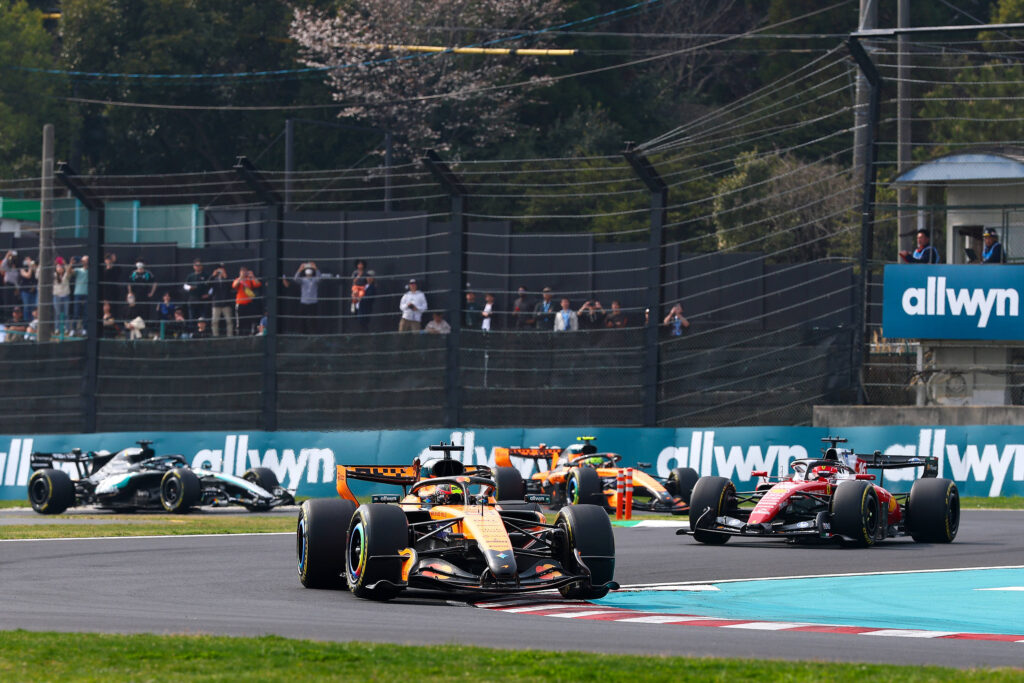
In the closing stages, the battle shifted to the podium positions. Leclerc managed to pass Lewis Hamilton and secure third place, while Russell lost his chance for a stronger result due to technical issues. Despite several localized battles, the race leader remained untouchable.
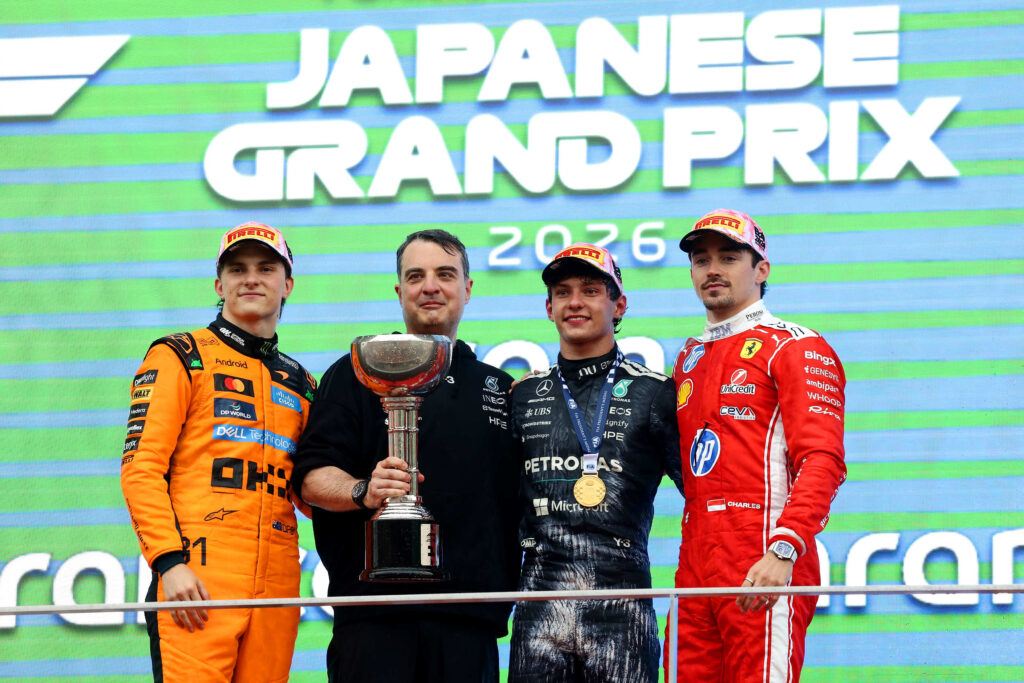
Antonelli went on to take victory, securing his second consecutive hat-trick and moving into the championship lead. At just 19 years old, he became the youngest championship leader in Formula 1 history, confirming his status as the breakout star of the season. Piastri finished second, with Leclerc completing the podium.
Factors Behind the Success
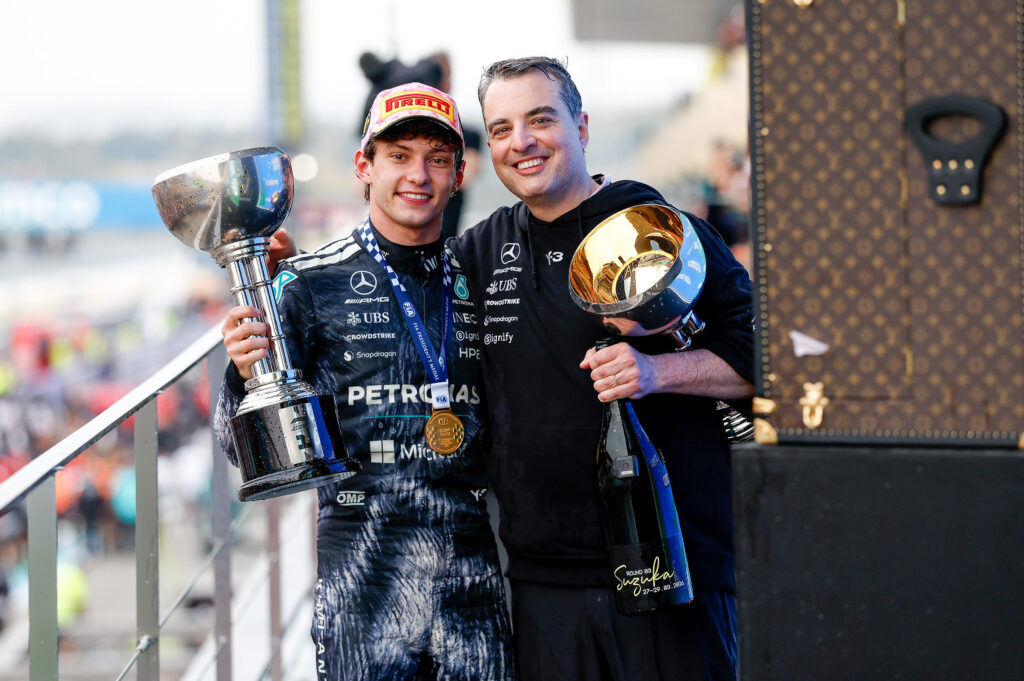
Antonelli’s success cannot be attributed to a single factor—it was the result of a combination of key elements. First and foremost, his speed stands out: he consistently performs at a high level in both qualifying and race pace. Equally important is his composure—despite a poor start, he made no mistakes and patiently waited for his opportunity.
Mercedes also played a crucial role, making the perfect strategic call at the moment the Safety Car was deployed. Finally, the technical aspect cannot be overlooked: the team’s car is exceptionally well adapted to the new regulations, allowing it to execute strategy effectively.
The Japanese Grand Prix confirmed Mercedes’ strength at the start of the season. The team is performing at a high level across all areas—from outright speed to strategy and pit stop execution. Early-season victories and strong performances from both drivers underline a serious championship bid.
Performances of Other Teams
McLaren
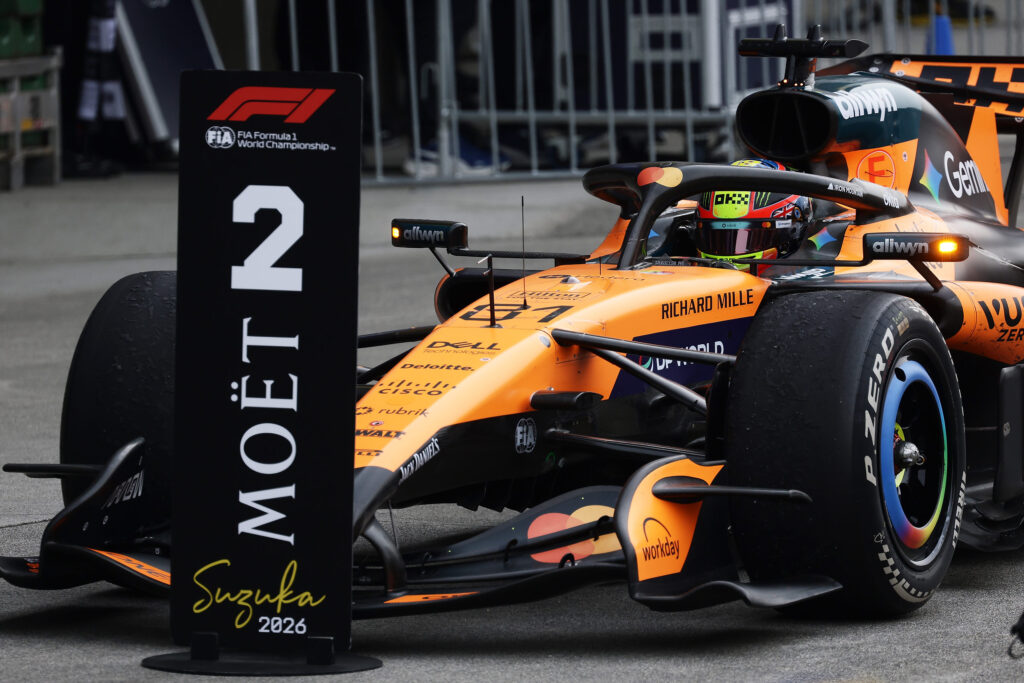
For McLaren, the Japanese round marked a significant step forward. Oscar Piastri finished second, showcasing excellent driving and smart strategy. This result represents the team’s first major success of the season and suggests they are capable of fighting for podiums—and potentially wins.
Ferrari
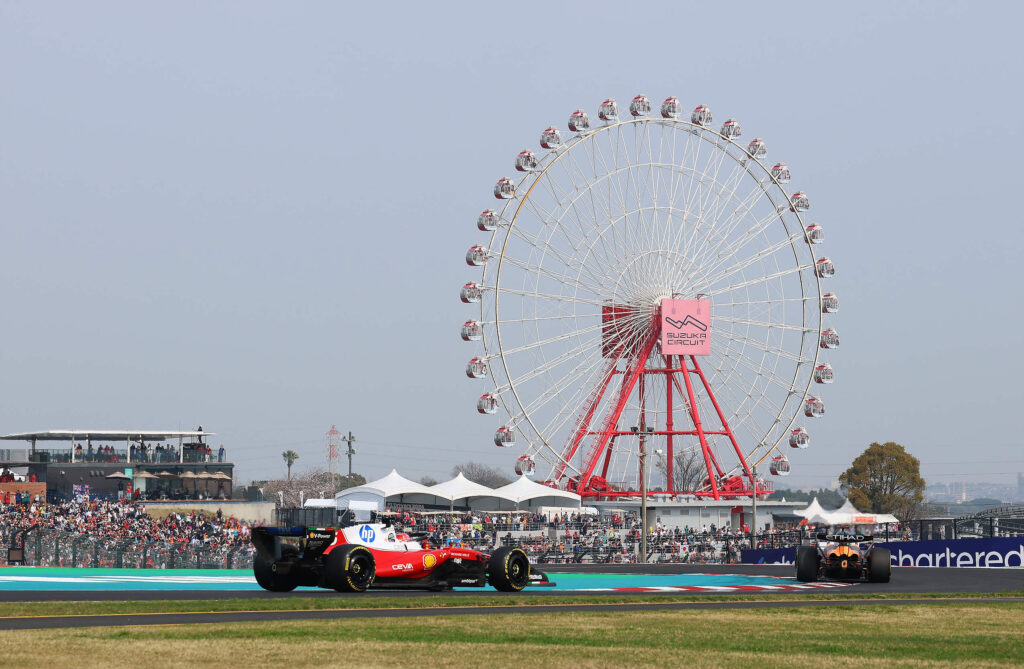
Charles Leclerc delivered a solid race to finish third. While Ferrari still lacks the overall pace of Mercedes, the team remains competitive and regularly contends for top-three finishes.
Red Bull
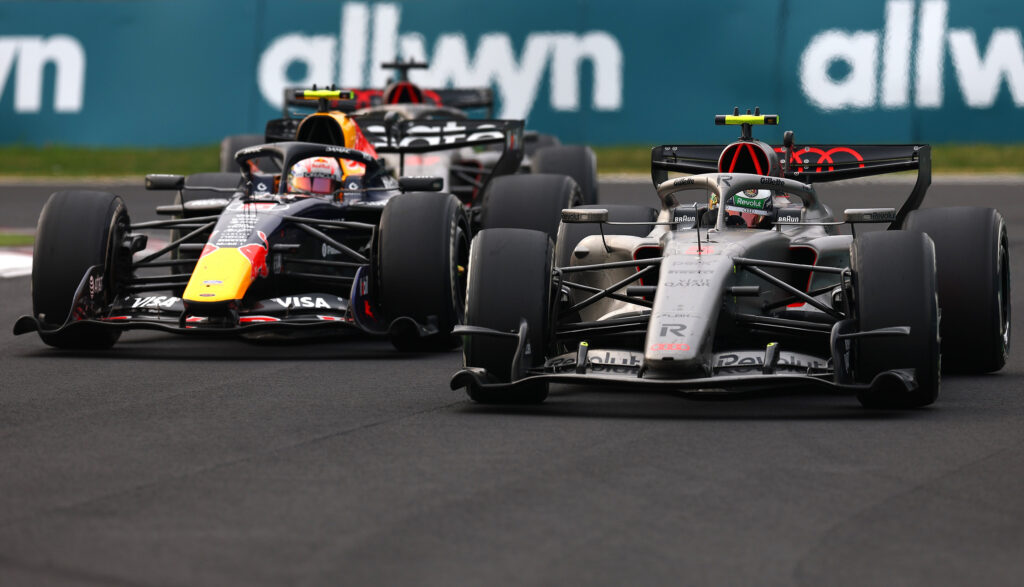
It was a difficult race for Red Bull. Max Verstappen was unable to challenge for the leading positions and finished only at the back end of the top ten. The team appears to be struggling to adapt to the new technical regulations, which is reflected in their results.
The Significance for Formula 1
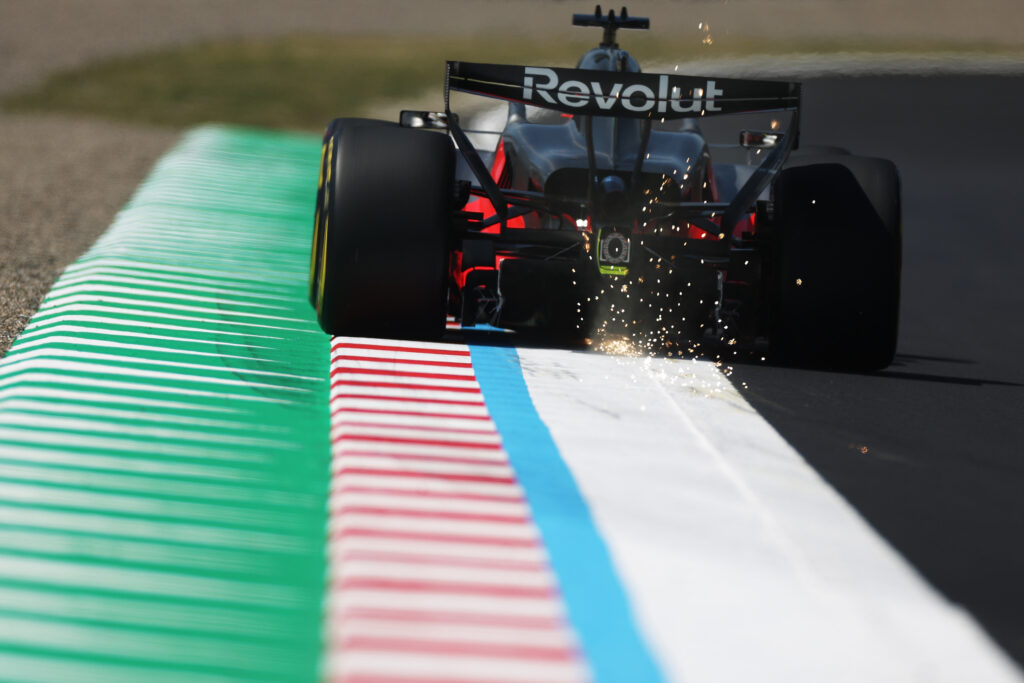
After three rounds, the championship picture has shifted significantly. Antonelli has taken the lead in the standings, overtaking his teammate George Russell. At the same time, the battle between the leading teams—Mercedes, McLaren, and Ferrari—is becoming increasingly intense.
A short break now awaits the championship before racing resumes. This pause could prove crucial, giving teams the opportunity to analyze their performances and make necessary adjustments.
The next round takes place in Miami, where the fight for the title is expected to intensify. If current trends continue, fans can look forward to an exciting season with unpredictable developments—and perhaps the emergence of a new dominant force in Formula 1.